Federal regulators have launched an investigation into an Amazon delivery drone after an incident during a test flight in College Station, Texas. The Federal Aviation Administration (FAA) confirmed that it is reviewing details of the event, which occurred during a routine delivery run for the company’s Prime Air drone program. No injuries were reported, but the situation has renewed questions about the safety and reliability of autonomous aircraft used for consumer deliveries.
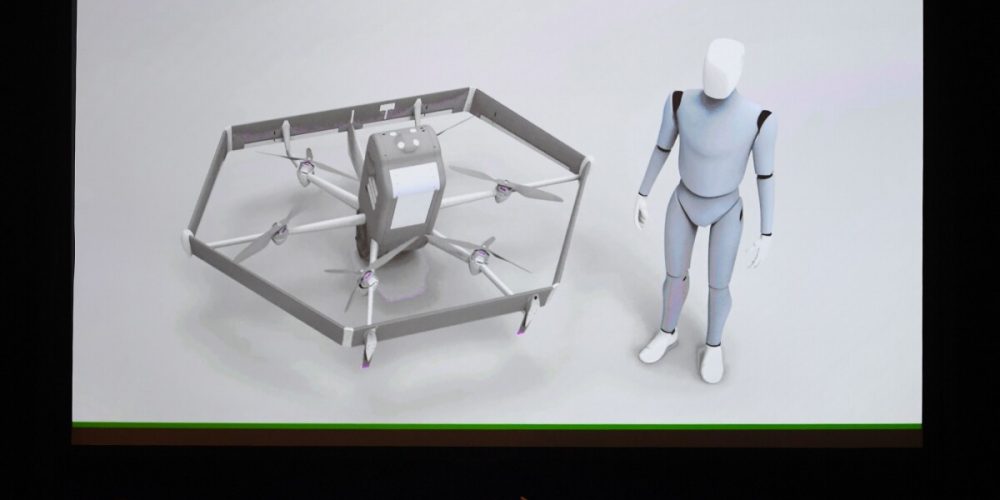
The incident involved one of Amazon’s MK30 delivery drones, a next-generation model designed to fly farther, operate more quietly, and handle small package deliveries in suburban environments. Early reports indicate the drone may have experienced an unexpected malfunction that forced it to make an unplanned landing. Local emergency crews responded as a precaution, and Amazon immediately grounded operations in the area while technicians assessed the aircraft.
Amazon stated that it is cooperating fully with the FAA and has already begun an internal review. The company emphasised that its drone program follows strict safety protocols and undergoes constant testing before serving customers. However, the recent event adds pressure at a critical time for Prime Air, which has been working to expand its delivery footprint following years of delays, regulatory hurdles, and technical challenges.
The Texas test site is one of Amazon’s key locations for real-world drone delivery trials. The company has been aiming to scale its service to thousands of households, positioning drones as a cost-efficient and fast option for small-item deliveries. The program is part of Amazon’s long-term automation strategy, which includes warehouse robotics, autonomous vehicles, and emerging AI-driven logistics tools.
Industry experts say incidents like this highlight the difficulty of deploying autonomous drones at scale. Even small technical failures can trigger regulatory reviews, operational pauses, and public hesitation. The FAA continues to take a cautious approach to integrating commercial drones into national airspace, requiring operators to meet strict safety benchmarks before expanding operations.
While drone delivery has long been viewed as a transformative solution for logistics, the sector has struggled to overcome technical risks, weather limitations, and air-traffic safety challenges. Amazon is not alone in facing setbacks. Competitors like Google’s Wing and UPS Flight Forward have also experienced periodic disruptions that forced regulators to intervene.
The FAA investigation arrives as Amazon pushes to accelerate Prime Air growth in the U.S. and abroad. The company recently announced new partnerships with local municipalities and hinted at broader operational plans for 2026. However, analysts suggest that any safety concerns could slow expansion and increase scrutiny of drone-based delivery models.
Despite the setback, Amazon maintains that drone delivery remains a long-term priority. The company believes the technology can reduce delivery emissions, shorten fulfilment times, and lessen road congestion. But for now, the FAA’s findings will determine how quickly the program can advance.
The outcome of the probe will shape not only Amazon’s timeline but also the broader industry outlook. If regulators identify serious flaws, drone operators may face tighter rules. If the issue proves minor, Amazon may resume testing quickly. Either way, the event reinforces how crucial safety performance is in gaining public trust for autonomous deliveries.
More News Article : New Technology Steps In as Air Traffic Controller Shortages Deepen