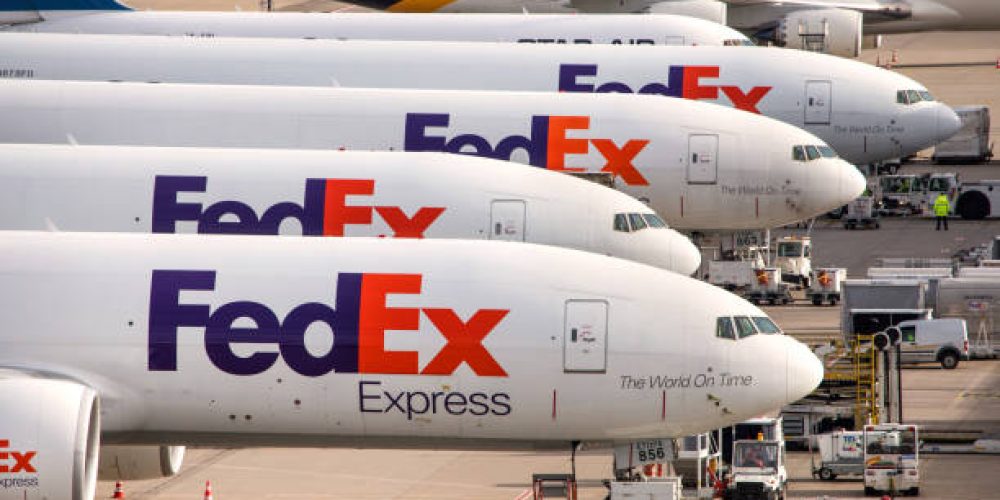
FedEx says global supply chains face long-term disruption as geopolitical tensions, shifting trade alliances, and rising operational costs reshape the flow of goods worldwide. The logistics giant believes today’s instability is more than a temporary setback and will have a lasting impact on how companies move products, manage inventories, and plan expansion.
According to FedEx executives, supply networks still have not fully recovered from the pandemic. New shocks continue to hit the system, from shipping lane conflicts to extreme weather events and regulatory shifts. These disruptions create delays, raise costs, and force companies to rethink long-held assumptions about efficiency and resilience. FedEx expects these problems to remain part of the global landscape for years, rather than easing as many businesses hoped.
The company notes that global trade now faces deeper structural challenges. Many manufacturers are diversifying production to reduce dependence on single countries. This shift, known as “friend-shoring” or “near-shoring,” spreads production across multiple regions. While this strategy can reduce risk, it also increases complexity. FedEx warns that businesses will need to invest more in logistics planning and advanced forecasting tools.
FedEx also highlights the rising costs of transportation. Higher fuel prices, increased insurance premiums, and security risks in key shipping routes put pressure on margins. The Red Sea disruptions and port delays in Europe and Asia show how quickly a single incident can slow global commerce. FedEx says customers should expect continued volatility, especially in sectors relying on just-in-time delivery.
Technology will play a major role in adapting to this new environment. FedEx is investing heavily in automation, data analytics, and AI-driven routing to manage unpredictable conditions. The company believes logistics firms that adopt advanced digital tools will outperform competitors who rely on older systems. However, even the best forecasting cannot eliminate the external risks driving today’s instability.
FedEx warns that companies must build stronger buffers into their operations. This may include holding more inventory, expanding supplier networks, and adopting flexible transportation strategies. The era of ultra-lean supply chains, the company says, has ended. Businesses must prepare for recurring shocks rather than viewing them as rare anomalies.
The geopolitical outlook adds another layer of uncertainty. Trade disputes, export controls, and sanctions continue to shape global commerce. As major economies compete for influence, shipping routes and manufacturing hubs may shift in unpredictable ways. FedEx says global supply chains now operate in a more fragmented world, with new risks emerging faster than companies can adapt.
Despite the challenges, FedEx believes companies that modernize their supply networks will find opportunities. Regions investing in manufacturing capacity, such as Southeast Asia and parts of Latin America, stand to benefit from the restructuring of global trade. Logistics firms that build stronger, smarter systems will support this growth and help businesses navigate instability.
FedEx’s message is clear: supply chain disruptions are not temporary shocks but lasting features of the global economy. Companies that embrace resilience, technology, and diversification will stand stronger in a transforming world. Those that fail to adapt may struggle as volatility becomes the norm.
Read More News : Major Investors Call for New “International Minerals Agency” to Tackle Supply Risks