

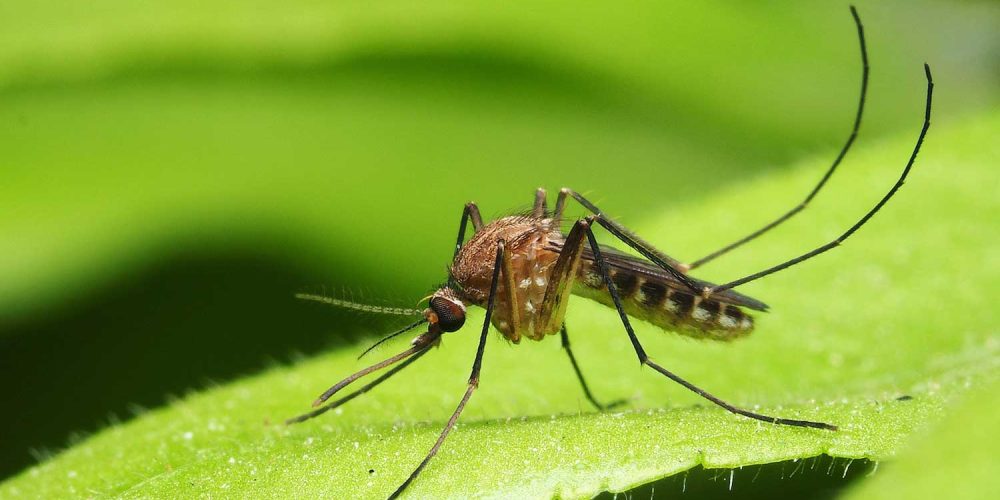
Iceland, once one of only two mosquito-free zones globally, has lost its status. Mosquitoes have been found there for the first time. Insect enthusiast Bjorn Hjaltason made the discovery in Kjós, near Reykjavik. He found two female and one male mosquito.
These insects were identified as Culiseta annulata, a species known to survive winter. Historically, Iceland’s cold climate and lack of stagnant water kept mosquitoes away. However, the country just experienced record-breaking high temperatures. Typically, May highs rarely exceed 20°C, but this year, that threshold was broken for ten consecutive days. Temperatures even reached a record 26.6°C.
Mr. Hjaltason sent the specimens to the Icelandic Institute of Natural History. An entomologist confirmed the find, stating the species is common in parts of Europe. It is not clear how the insects reached the island. One theory suggests they arrived via ships or containers from industrial areas.
Scientists warn that these temperature shifts can have “significant” impacts on delicate, cold-adapted ecosystems. Further monitoring will be needed next spring. This will confirm if the mosquito species has truly become established in Iceland. The discovery highlights the powerful and unexpected effects of climate change.









