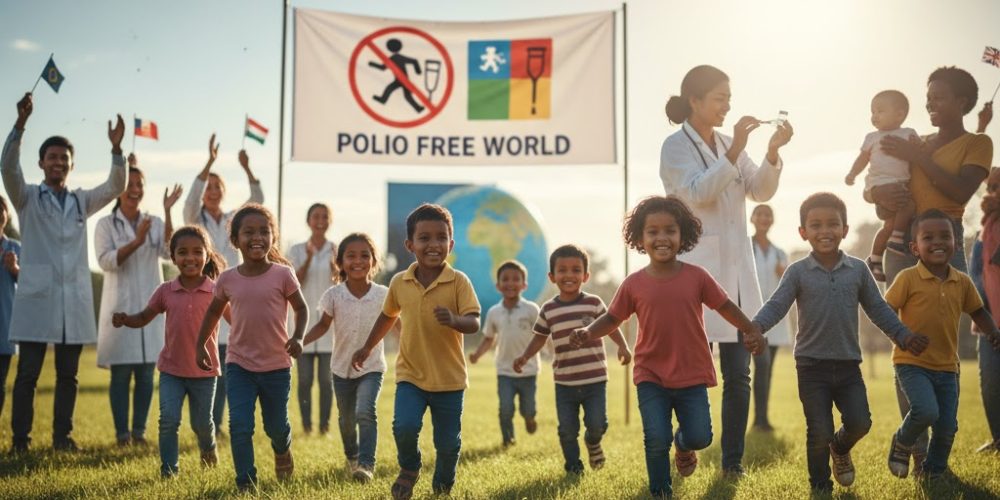
Global health leaders affirm that eradicating polio is still achievable, even as the Global Polio Eradication Initiative (GPEI) faces a 30% budget reduction in 2026. This cut leaves a $1.7 billion funding gap through 2029, primarily due to decreased foreign aid from countries like the U.S., Germany, and the U.K.
In response, the GPEI plans to concentrate resources on high-risk areas, enhance disease surveillance, and implement cost-saving strategies such as fractional dosing. This approach involves using a fifth of a vaccine dose, which studies show remains effective in preventing infection. Additionally, the initiative will collaborate more with other health programs, like those targeting measles, to maximize impact.
While operations in lower-risk regions will be scaled back unless outbreaks occur, essential activities will continue in Afghanistan and Pakistan, the last countries where wild polio remains endemic. In 2025, these nations reported 36 wild polio cases, while 149 cases of vaccine-derived polio were identified in countries including Nigeria.
Despite challenges such as conflict zones and vaccine hesitancy, health officials emphasize the importance of sustained global commitment to eradicate polio. “Eradication remains feasible and is doable,” stated Jamal Ahmed, WHO director of polio eradication.