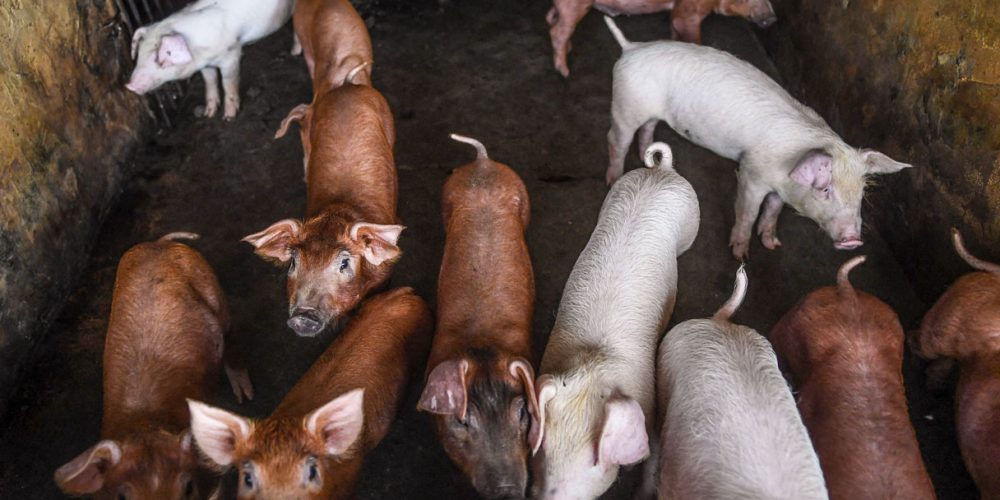
South Korea has raised its animal health alert level after confirming a new outbreak of African swine fever (ASF) at a pig farm, intensifying concerns about the virus’s continued threat to the livestock industry. The latest case was detected in the northeastern region, an area that has experienced repeated outbreaks since the virus first reached the country in 2019.
Authorities acted quickly after the infected farm reported unusual pig deaths. Veterinary teams conducted tests, which confirmed the presence of ASF. The government immediately strengthened disease control measures and elevated the alert to its second-highest tier. This status triggers stricter farm inspections, movement bans, and expanded monitoring across nearby provinces.
ASF does not infect humans, but the virus is deadly to pigs and spreads easily through contaminated feed, equipment, or wild boars. South Korea has long struggled to contain infections linked to wild boar populations near the North Korean border. These animals often carry the virus and can transmit it to domestic herds, making long-term containment difficult.
The agricultural ministry has ordered culling at the affected farm to prevent wider transmission. Officials are also enforcing a temporary shutdown of pig movements within a designated radius. Disinfection trucks, surveillance teams, and quarantine officers have been deployed to block further spread. Neighboring farms must now follow heightened biosecurity rules, including mandatory testing and controlled access to barns.
This latest outbreak highlights the ongoing vulnerability of South Korea’s pork industry. The country relies heavily on domestic pork production, and any increase in ASF cases can disrupt supply chains, drive up prices, and create financial strain for farmers. Past outbreaks forced large-scale culling and led to millions of dollars in losses for producers who depend on stable herd management to stay profitable.
In addition to emergency response measures, the government is urging farms to reinforce hygiene practices. This includes sanitizing vehicles, restricting farm visitors, and tightening feed-handling protocols. Local officials warn that winter poses a higher risk because the virus survives longer in cold weather, increasing the chances of new infections.
Experts note that ASF control remains challenging because there is no approved vaccine. Prevention depends on rapid detection and aggressive containment. South Korea continues to invest in border fencing, wild boar population tracking, and environmental monitoring to limit exposure, but the virus’s persistence shows that long-term vigilance is essential.
The government emphasized that pork products remain safe for consumers, as ASF affects only animals and cannot transmit to humans through food. However, industry groups remain cautious. They fear that repeated outbreaks could weaken farm productivity and undermine confidence in supply stability, especially during peak demand seasons.
This latest alert serves as another reminder of the virus’s disruptive potential. As authorities work to contain the outbreak, farmers across the country face renewed pressure to maintain strict biosecurity standards. The coming weeks will be critical as officials monitor surrounding farms and assess whether the virus has spread beyond the initial site.
Related News : Food Alert: Sicilian Tomatoes Suspected as Source of Major Salmonella Outbreak Across Europe