

KEY POINTS
- Tropical Cyclone Gezani struck Madagascar as a powerful Category 3-equivalent storm.
- Official reports confirm at least 20 deaths and 15 people missing following the landfall.
- The port city of Toamasina suffered extensive damage from 115 mph sustained winds.
Madagascar is grappling with the aftermath of a catastrophic weather event as Tropical Cyclone Gezani tore through the island nation. The storm made landfall on Tuesday, bringing extreme winds and a dangerous storm surge to the eastern coast. Disaster management officials are currently working to assess the full extent of the tragedy and locate missing residents.
The cyclone hit the city of Toamasina with maximum sustained winds reaching approximately 115 mph. Local witnesses described the conditions as exceptionally violent, with metal structures shaking under the force of the gusts. This major seaport, which serves as a vital economic hub, has not experienced a storm of this intensity within 50 miles since 1994.
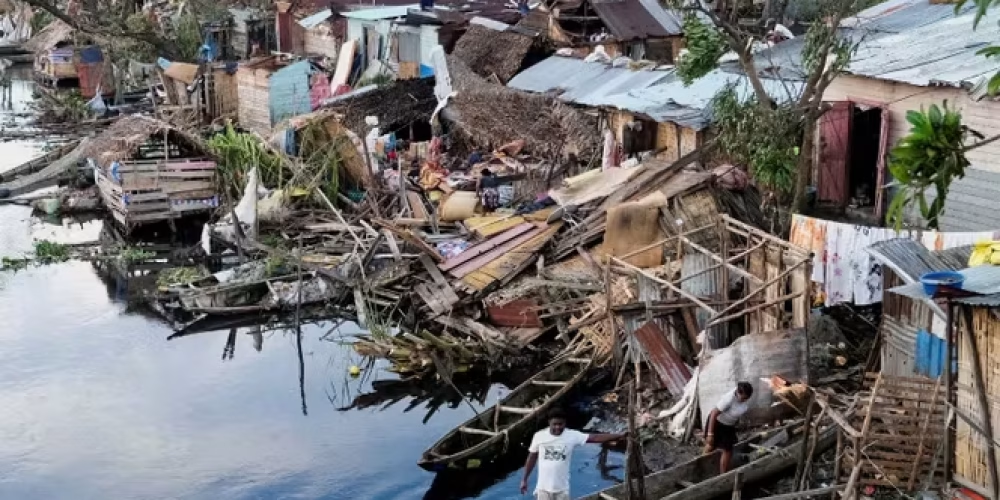
Widespread destruction is visible across the impacted regions. Images from the National Office for Risk and Disaster Management show homes without roofs and crumbled walls. Falling trees and heavy debris have blocked numerous roads, while coastal flooding has further isolated several communities. The 168 mph wind gusts recorded during the storm’s peak have left much of the local infrastructure in ruins.
This disaster marks the second significant cyclone to strike the country in less than two weeks. Earlier this month, Tropical Cyclone Fytia caused 14 deaths and forced tens of thousands of people from their homes. Since late January, three separate cyclones have made landfall, leaving the nation’s recovery efforts severely strained and resources depleted.
Meteorologists note that the region is currently in the peak of its tropical season. While Madagascar frequently encounters tropical systems, the rapid succession of high-intensity storms is particularly damaging. Experts explain that the Southern Indian Ocean season typically runs from November through April, suggesting the threat of further activity remains high.
Emergency teams continue to prioritize search and rescue operations as they navigate flooded streets and downed power lines. Providing shelter and clean water to displaced families is now the most urgent concern for local authorities. The international community is monitoring the situation as Madagascar faces a long road to rebuilding its essential services and housing.









