

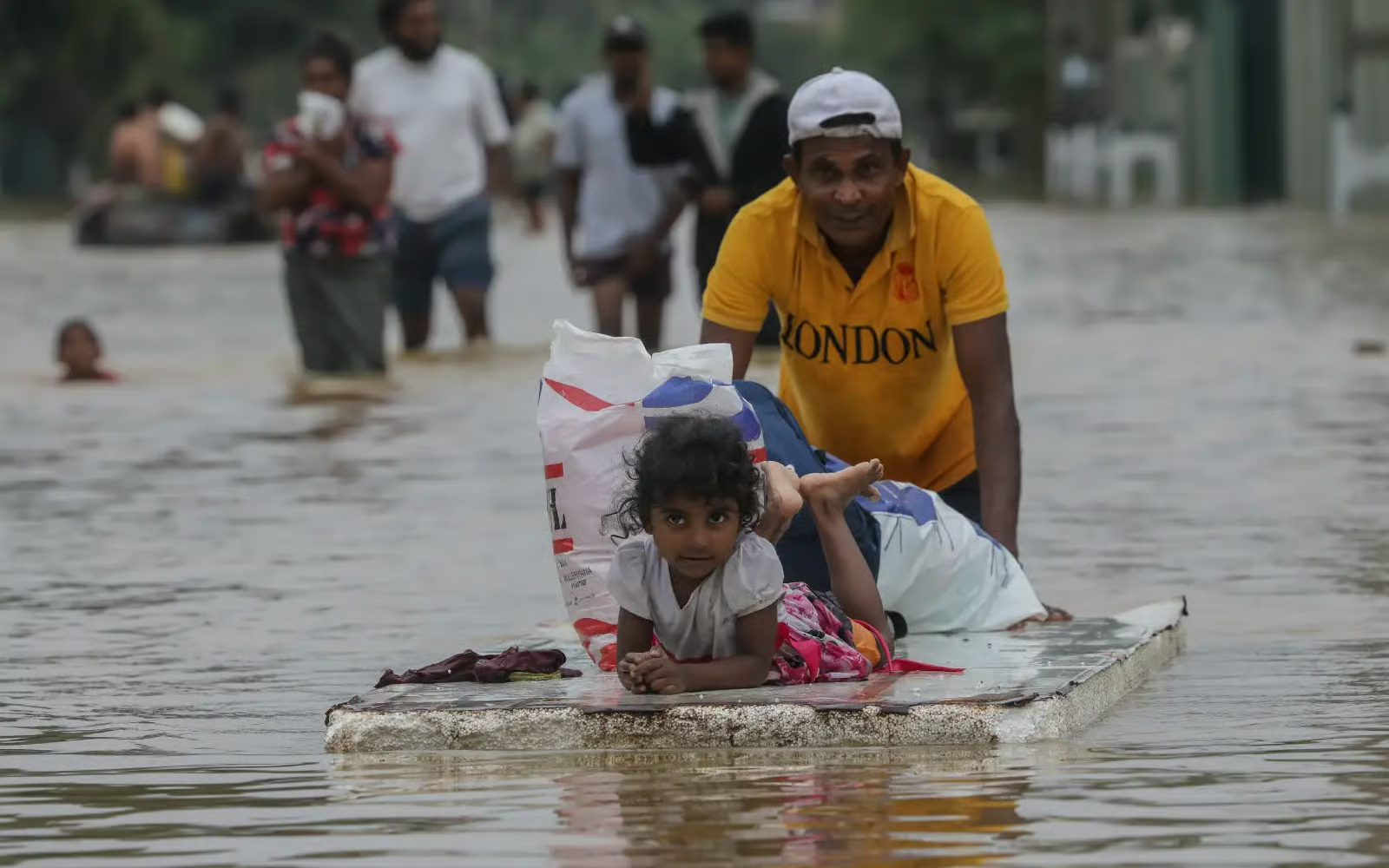
Sri Lanka is grappling with severe destruction after Cyclone Ditwah tore across the island, pushing the national death toll to 212 and leaving thousands displaced. The storm, one of the strongest to strike the region in recent years, produced heavy rain, landslides, and flash floods that cut off access to several communities. Emergency teams are working under difficult conditions as they search for missing residents and restore basic services.
The government confirmed that most fatalities were reported from landslide-prone central districts, where saturated hills gave way after days of relentless rain. Entire homes were swept downhill, leaving families with little warning. Rescue teams continue to dig through debris in hopes of finding survivors, but unstable terrain and ongoing rainfall have slowed operations.
Coastal districts also suffered extensive damage. Strong winds exceeding 100 km/h uprooted trees, destroyed power lines, and left large towns without electricity or clean water. Fishing communities reported the loss of dozens of boats, a major setback for livelihoods already under economic strain. Officials estimate that thousands of homes are destroyed or severely damaged, and temporary shelters are now at capacity.
Sri Lanka’s Disaster Management Centre said more than 200,000 people have been affected so far. Many residents remain stranded in flooded areas as military teams use boats and helicopters to reach isolated households. Medical teams have been deployed to prevent outbreaks of waterborne diseases, which often follow major flooding events.
More News : Rio Tinto Sees 6% Q3 Rise in Iron Ore Shipments, Eyes Strong Year-End
The cyclone’s impact has raised new concerns about the country’s preparedness for extreme weather. Sri Lanka, like many South Asian nations, faces higher climate risks due to rising sea temperatures and more intense monsoon patterns. Experts warn that storms like Ditwah could become more frequent as global climate conditions shift, increasing pressure on already fragile infrastructure.
Government leaders acknowledged the scale of the crisis and pledged financial assistance for affected households. Early estimates suggest that agricultural losses will be significant, particularly for tea and rice farmers whose crops were destroyed in the floods. Roads, bridges, and communication lines also need urgent repair, adding to the country’s economic challenges.
International partners have begun offering support. Neighboring India sent emergency supplies and equipment, while global relief agencies are coordinating food and shelter aid. However, widespread damage and limited resources mean that recovery will take time. Local officials say the immediate priority is restoring access to clean water, clearing roads, and relocating families from high-risk zones to safer areas.
For many communities, Cyclone Ditwah marks yet another blow during a period of economic instability. Thousands of families now face the prospect of rebuilding with limited resources, while the government balances disaster relief with broader national recovery efforts.
The full impact of the cyclone will become clearer in the coming weeks, but early assessments already indicate one of the deadliest natural disasters Sri Lanka has experienced in recent years. As rescue operations continue, the country is bracing for further rain that could trigger additional landslides and flooding, adding urgency to ongoing relief efforts.









