

KEY POINTS
- Luxury eco-camps and conservancies reshape tourism and conservation in the Masai Mara ecosystem.
- Private conservancies limit vehicle numbers and work with local Maasai landowners to protect habitat.
- Critics warn overcrowding, poor sustainability claims and wildlife corridor risks remain concerns.
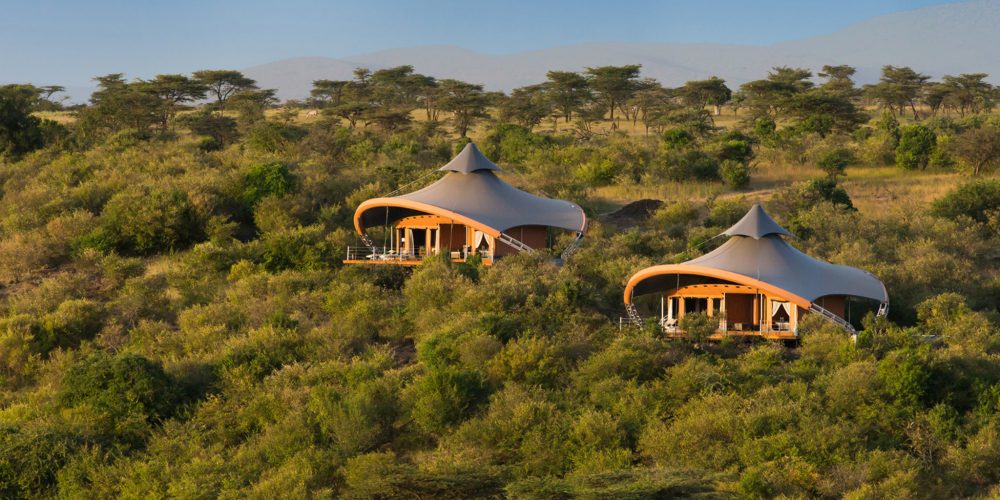
Luxury eco-camps surrounding Kenya’s Masai Mara have become central to both wildlife conservation efforts and sustainability debates.
An audit cited by travel industry coverage found dozens of camps inside the reserve and more than 150 just beyond its boundaries, adding pressure on the fragile ecosystem.
The Masai Mara National Reserve is renowned for the Great Migration and rich biodiversity that draws visitors worldwide. Private conservancies, where many luxury eco-camps operate, enforce strict limits on vehicles and human presence.
In Naboisho Conservancy, for example, bookings are capped at one vehicle per 700 acres, reducing disturbance to wildlife.
These conservancies also permit activities such as night drives and walking safaris that are banned in the national reserve. Proponents argue luxury, low-visitor models channel significant revenue into habitat protection and community projects.
Some camps contribute to anti-poaching patrols, wildlife monitoring and collaboration with research organisations. They often employ local Maasai people as guides and staff, linking conservation incentives with community benefits.
However, not all properties labelled “eco-friendly” live up to sustainable claims.
Travel guides warn that some camps use green marketing while relying on diesel generators and external supplies, undermining their environmental credentials. Overcrowding from too many vehicles remains an issue in the core reserve, especially during peak migration.
In peak months, observers have counted around 30 vehicles clustered around a single lion pride, potentially altering animal behaviour.
The impact of increased tourism infrastructure has drawn legal and conservation scrutiny. A case before Kenya’s environment court involves a luxury safari camp accused of affecting a key migration corridor.
While developers maintain regulatory compliance, critics highlight risks of habitat fragmentation and disruption to wildlife movement.
Supporters point to community conservancy models where landowners lease grazing land to operators for both tourism and conservation benefits. In conservancies like Olare Motorogi, Maasai families receive steady income while managing land for habitat regeneration.
These arrangements limit camps and vehicles, helping protect predator populations and wider ecosystems. Nevertheless, the long-term sustainability of luxury eco-camp models faces questions, especially if tourism demand shifts.
Camps reliant on high-end travel risk economic instability during downturns and may tie communities too closely to tourism revenues. Tour operators and conservationists alike emphasise the need for transparent revenue sharing and environmental impact tracking.
Experts urge visitors to choose conservancy-based camps with verified community and conservation contributions. Doing so can support habitat protection efforts while offering quieter, less intrusive wildlife encounters. As luxury tourism grows in the Masai Mara, balancing economic, social, and ecological interests remains pivotal.









