

KEY POINTS
- Czech figure skaters Natalie Taschlerova and Filip Taschler debuted a routine featuring music composed entirely by artificial intelligence.
- The performance at the 2026 Winter Games is the first time AI-generated audio has been used in an Olympic figure skating competition.
- Critics and musicians have raised concerns regarding copyright, artistic soul, and the future of human creativity in competitive sports.
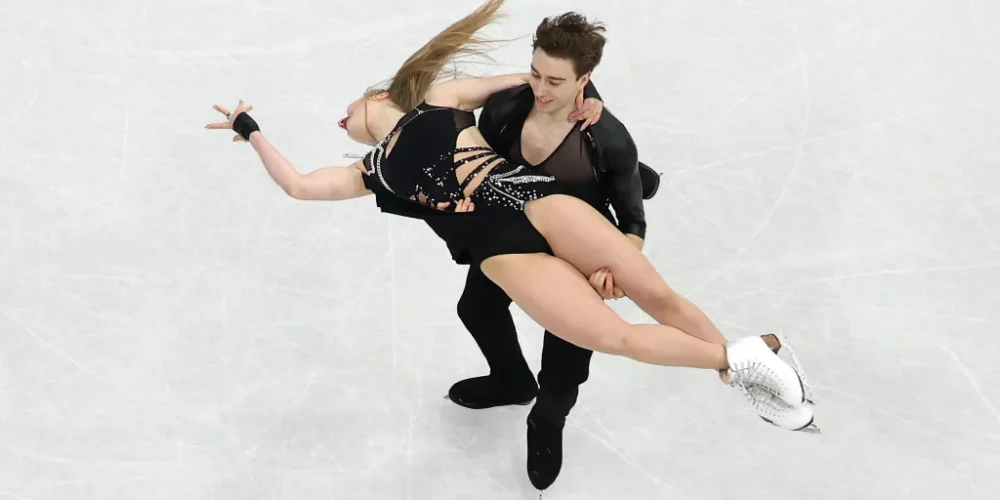
The 2026 Winter Olympics in Milan-Cortina just witnessed a historic and controversial milestone on the ice. Czech ice dance duo Natalie Taschlerova and Filip Taschler performed their latest rhythm dance to a soundtrack created by artificial intelligence. This marks the first time in Olympic history that a competitive routine has relied on AI-composed music.
The siblings worked with a tech startup to generate a score that matched their specific skating tempo. By using algorithmic tools, the team could adjust the emotional beats of the music to fit their choreography exactly. The skaters claimed the technology allowed for a level of customization that traditional recording sessions could not provide.
While the technical execution of the routine was high, the choice of music sparked an immediate debate. Many observers in the arena and online questioned whether the “soul” of the performance was diminished. Some judges reportedly struggled with how to score the artistic components of a routine backed by non-human composition.
The International Skating Union currently has no specific rules prohibiting the use of AI-generated audio. However, the debut has prompted calls for new regulations regarding digital creativity in sports. Music industry advocates argue that using AI bypasses human composers and performers who traditionally benefit from Olympic exposure.
The Czech duo defended their decision as a natural evolution of the sport. They argued that figure skating has always embraced technological shifts, from skate blade design to digital video analysis. For them, AI music is simply another tool to push the boundaries of what is possible on the ice.
Technologists point out that the software used for the track analyzed thousands of classical and modern samples. It then synthesized a new arrangement based on the skaters’ heart rates and movement patterns recorded during practice. This level of synchronization created a unique, albeit polarizing, sensory experience for the audience.
The performance finished in the top ten, proving that AI music does not necessarily hinder competitive results. However, the ethical questions remain at the forefront of the conversation in Milan. Other athletes have expressed mixed feelings, with some curious about the tech and others firmly against it.
As the Games continue, the impact of this performance will likely be felt across all artistic sporting disciplines. The intersection of high-level athletics and generative technology is no longer a future concept. It is now a reality on the world’s biggest stage. The sports world must now decide how to balance innovation with human tradition.









