

KEY POINTS
- Airlines and international borders have introduced stricter health certification requirements for pets traveling in 2026.
- New smart-crate technology and wearable GPS trackers are helping owners monitor pet vitals and location during transit.
- Travel experts recommend booking pet-friendly accommodations at least three months in advance due to rising demand.
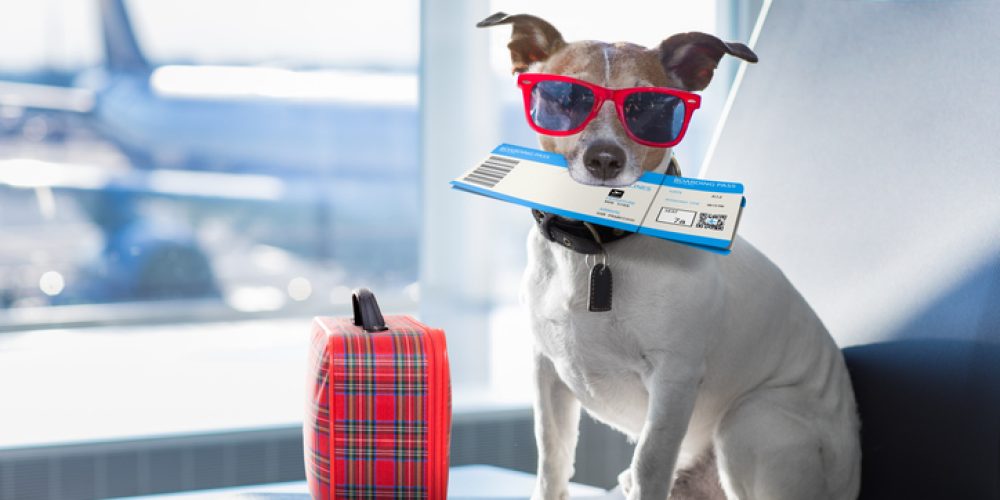
Traveling with pets has become a major trend for 2026, leading to significant changes in the tourism industry. More travelers are choosing to bring their cats and dogs along on international vacations and domestic road trips. This shift has forced airlines, hotels, and government agencies to update their existing policies. Navigating these new rules requires careful planning and advanced preparation from pet owners.
One of the most critical changes involves updated health documentation for border crossings. Many countries now require digital health certificates that link directly to a pet’s microchip record. These documents must verify recent vaccinations and a clean bill of health from a certified veterinarian. Travelers should check specific destination requirements at least six weeks before their departure date. Missing even one document can lead to mandatory quarantine periods for the animal.
Airlines have also upgraded their onboard facilities to accommodate the increase in animal passengers. Several major carriers now offer dedicated “pet cabins” with climate control and specialized lighting to reduce anxiety. Some premium airlines have even introduced in-flight monitoring systems for pets traveling in the cargo hold. These systems allow owners to view real-time data regarding temperature and oxygen levels via a smartphone app.
The hospitality sector is following suit by expanding pet-friendly amenities beyond just allowing animals in rooms. High-end hotels now provide specialized room service menus for dogs and on-site pet sitting services. Some resorts have designed dedicated outdoor play areas and “catio” spaces for feline guests. However, these pet-friendly rooms often sell out quickly, making early booking essential for travelers.
Technology is playing a vital role in making pet travel safer and more manageable. Smart collars equipped with GPS and biometrics allow owners to track their pet’s stress levels during flights. New collapsible, airline-approved crates feature improved ventilation and impact-resistant materials. These gadgets provide peace of mind for owners who worry about the physical toll of long-distance travel.
Experts suggest that socialization is the key to a successful trip with a companion animal. Acclimatizing a cat or dog to their carrier weeks before the journey can prevent mid-travel panic. Short practice trips help pets get used to the sounds and movements of planes or cars. While the logistics are more complex than ever, the rewards of sharing a vacation with a pet are driving record-high participation.









