

KEY POINTS
- The historic port of Leith has transformed from an industrial hub into one of Europe’s most exciting food and arts districts.
- New transport links, including the Edinburgh tram extension, have made the waterfront easily accessible for international tourists.
- The area now hosts a high concentration of Michelin-starred restaurants alongside vibrant independent galleries and boutiques.
The northern edge of Scotland’s capital is currently experiencing a remarkable cultural renaissance. Leith, once a gritty industrial port, has shed its old reputation to become a world-class travel destination. This waterfront district now rivals the historic city center of Edinburgh for visitor attention.
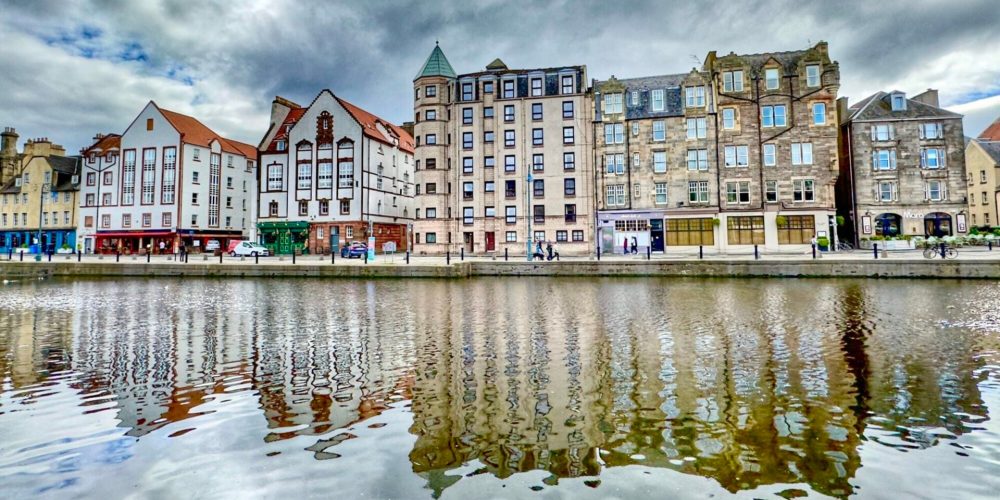
For decades, the area served as the gateway for trade and shipping in the Firth of Forth. However, the decline of heavy industry left many of its historic warehouses empty and neglected. Recent urban renewal projects have successfully repurposed these stone structures into luxury apartments, creative studios, and high-end dining venues.
The expansion of the Edinburgh tram network served as the final catalyst for this transformation. This new rail link connects the airport and the city center directly to the shore. Travelers can now move from the medieval Old Town to the modern waterfront in just minutes. This accessibility has encouraged a surge in foot traffic and new business investment.
At the heart of Leith‘s appeal is its extraordinary culinary scene. The district boasts a high density of Michelin stars and award-winning bistros. Chefs are increasingly drawn to the area for its abundance of fresh local seafood and lower operating costs. These venues offer a sophisticated alternative to the more traditional tourist traps in the city center.
Beyond fine dining, the neighborhood supports a thriving community of independent makers. Visitors can explore narrow side streets filled with craft breweries, artisan bakeries, and contemporary art spaces. The “Shore” area provides a scenic backdrop for evening walks, with canal-side bars housed in former bond warehouses.
Historical landmarks also play a significant role in the district’s modern identity. The Royal Yacht Britannia, permanently berthed at the Ocean Terminal, remains a top attraction. It provides a regal contrast to the edgy, modern vibe of the surrounding streets. This mix of royal history and bohemian energy creates a unique atmosphere found nowhere else in Scotland.
Cultural festivals have also found a permanent home in the district. Annual events celebrate everything from local jazz music to international street food. These gatherings reflect the diverse and inclusive spirit of the local community. Long-term residents and newcomers alike contribute to a neighborhood that feels authentically lived-in.
Travelers seeking a deeper connection to Edinburgh are increasingly choosing to stay in Leith. The area offers a variety of stylish hotels and guest houses that differ from the chain-heavy center. It provides a peaceful retreat while still offering world-class entertainment and culture at the doorstep.
As the district continues to evolve, it serves as a model for successful urban regeneration. It proves that a city’s history can coexist with a modern, forward-thinking vision. Leith has officially moved out of the shadow of Edinburgh Castle to stand as a destination in its own right.









