

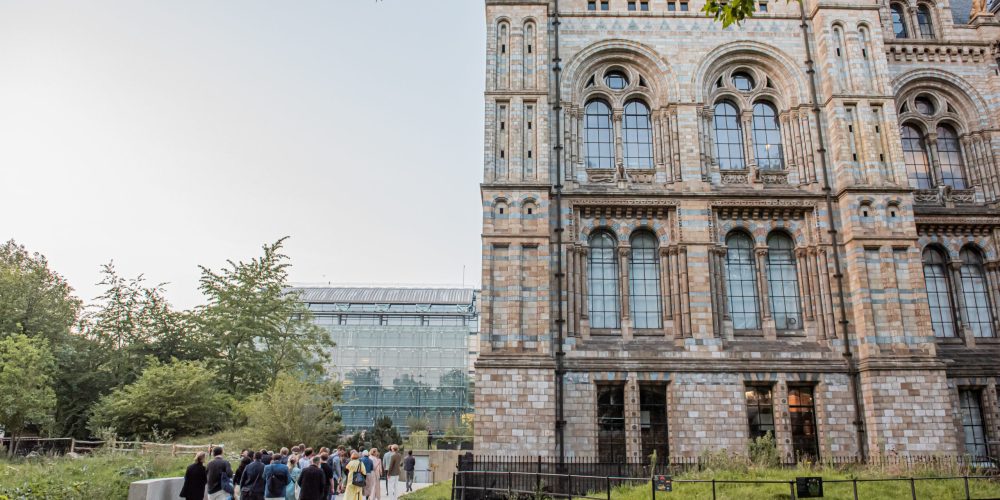
KEY POINTS
- Guided walking tours are transforming London’s city streets into a massive open-air museum of prehistoric geology.
- Architectural landmarks across the capital contain rare fossils and exotic stones millions of years older than the city
- Urban geology is emerging as a popular travel trend for residents and tourists seeking deep history in common spaces.
London’s bustling streets hold secrets far older than the Roman foundations of the city. A new wave of urban geology tours is teaching people to look closely at the walls around them. These walks prove that the capital is a treasure trove of ancient fossils and prehistoric stones.
Everyday buildings in the financial district and the West End serve as a massive geological library. The stones used in modern facades often originate from quarries located thousands of miles away. Many of these rocks contain perfectly preserved remains of creatures that lived in ancient seas.
Architects have long selected specific stones for their durability and visual appeal. Portland stone is perhaps the most famous material found in London’s iconic landmarks. This creamy limestone frequently hides giant ammonites and prehistoric bivalves within its layers.
St Paul’s Cathedral and the British Museum act as prime locations for fossil hunters. Visitors can find the spiraled shells of long-extinct mollusks embedded in the very steps they climb. These biological remnants offer a direct connection to a world that existed millions of years ago.
The tours encourage a slower pace of exploration in one of the world’s busiest cities. Participants learn to recognize the difference between granite, marble, and sedimentary rocks at a glance. Even the paving stones beneath a commuter’s feet often have a dramatic volcanic history.
Urban geology provides a unique perspective on the relationship between nature and human construction. It reveals how the Earth’s natural resources shaped the aesthetic of the British capital. This hobby requires no specialized equipment other than a keen eye and perhaps a magnifying glass.
New digital maps and guidebooks are making this niche interest accessible to a wider audience. Amateur geologists can now follow self-guided trails through neighborhoods like South Kensington and Marylebone. These paths highlight the most significant geological features hidden in plain sight.
The trend reflects a growing desire for educational and sustainable travel experiences. Urban exploring allows people to discover wonder without leaving the city environment. It transforms a routine walk to the office into an adventure through deep geological time.
Local experts lead many of these sessions to explain the complex chemical processes involved. They describe how heat and pressure transformed mud and sand into the hard stones we see today. These stories add a layer of scientific wonder to the city’s familiar skyline.
As more people participate, the city itself feels like a living, breathing entity. The stones of London tell a story of continental shifts and prehistoric tropical climates. For those who know where to look, the city is much more than just glass and steel.









