

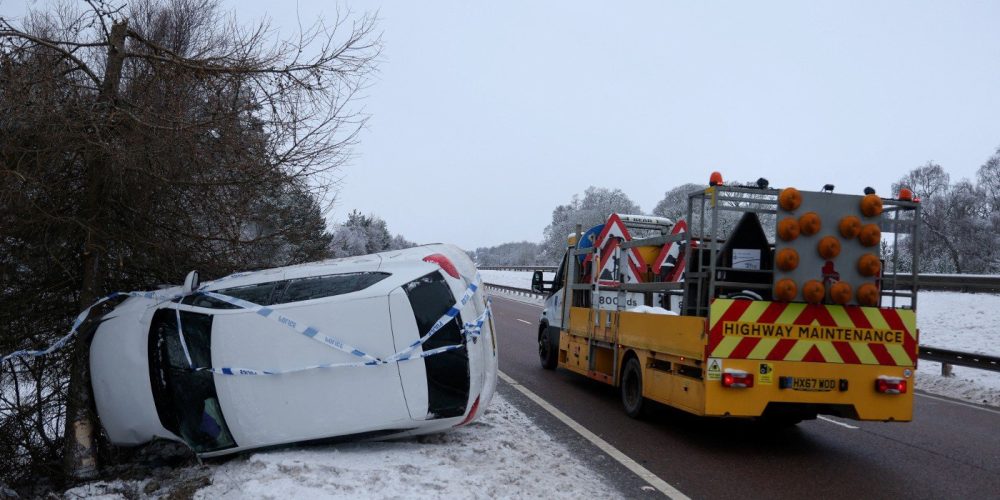
Key Takeaways:
- Storm Goretti is bringing 90 mph winds and heavy rain, triggering high-level weather alerts in the UK and France.
- Major airlines, rail operators, and ferry companies have cancelled services to protect passengers from extreme weather conditions.
- Coastal regions face specific dangers from flooding, massive waves, and structural damage caused by the intense pressure system.
Meteorologists issued urgent warnings this week as Storm Goretti approached Western Europe with dangerous wind speeds. The powerful weather system threatens to paralyze international transport hubs in both the United Kingdom and France. Experts predict significant disruptions to flights, rail services, and maritime routes through the weekend.
The UK Met Office released amber and yellow weather alerts across several regions. High winds could reach nearly 90 miles per hour in coastal areas. These conditions pose a genuine threat to life from flying debris and large waves. Residents in affected zones should secure outdoor items immediately.
Across the English Channel, French authorities implemented similar safety protocols in northern departments. Météo-France warned of potential flooding and fallen trees blocking major roadways. Public officials urge citizens to limit unnecessary travel until the storm system passes. The safety of commuters remains the top priority.
Airlines have already begun preemptive cancellations at major hubs like London Heathrow and Paris Charles de Gaulle. Ground crews face immense difficulty managing baggage and fueling aircraft during extreme gusts. Passengers should check their flight status before heading to the terminal. Many carriers offer free rebooking options.
Rail networks are also feeling the impact of the worsening weather. Operators across the UK have introduced emergency speed restrictions to ensure passenger safety. Falling branches and power line damage often lead to severe delays on these routes. Some regional services may stop entirely during peak wind hours.
Cross-channel ferry services face the most immediate threat from the rising swell. Operators between Dover and Calais suspended several crossings as sea conditions became too hazardous. Massive waves make docking maneuvers nearly impossible for even the largest vessels. Freight traffic is backing up significantly at port entrances.
The Eurostar is monitoring the situation closely but expects potential schedule changes. High-speed trains are vulnerable to debris on the tracks and overhead wire issues. Travel between London, Paris, and Brussels may take much longer than usual. Travelers should prepare for crowded waiting areas.
Energy companies have placed repair teams on high alert to handle potential power outages. Strong winds frequently knock down aging utility poles and damage transformers. Thousands of homes could lose electricity if the storm maintains its current intensity. Emergency shelters are ready in the most vulnerable coastal communities.
Economic experts worry about the financial toll of this widespread transport freeze. Logistics chains rely on the constant movement of goods through these specific European gateways. Any prolonged closure impacts the delivery of fresh food and essential medical supplies. The ripple effects could last for weeks.
Travelers should stay informed by following local news and official weather apps. Modern forecasting tools provide real-time updates on the storm’s projected path. Preparation and patience will be essential for anyone caught in the path of Storm Goretti. Safety must come before all other considerations.









