

Key Points
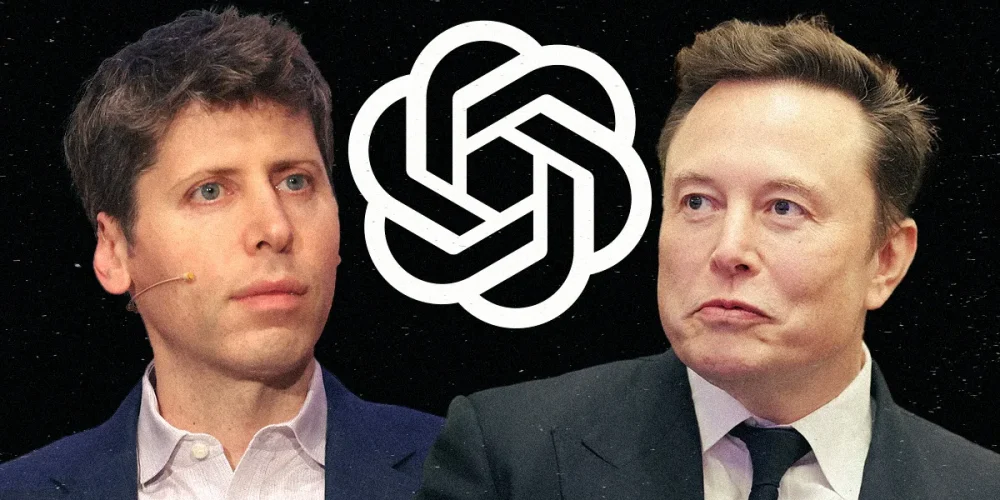
- A federal judge ruled Elon Musk’s lawsuit against OpenAI can proceed to a jury trial.
- Musk claims OpenAI broke its nonprofit founding promise by shifting to a for-profit model.
- OpenAI and Microsoft deny wrongdoing and plan to contest the allegations at trial.
A U.S. federal judge has decided that Elon Musk’s high-profile lawsuit against OpenAI can move ahead to a full jury trial. The decision marks a major development in a legal battle over the origins and evolution of one of the world’s most influential artificial intelligence developers.
Musk, who helped co-found OpenAI in 2015 but left in 2018, alleges that the company violated its original mission by converting from a nonprofit organization into a profit-seeking enterprise. He argues this shift betrayed foundational assurances that it would prioritize public benefit rather than commercial gain.
In court filings, Musk said he provided about $38 million and strategic support to OpenAI under the belief it would remain nonprofit. He now seeks unspecified monetary damages tied to what he terms “ill-gotten gains” by the company’s leaders following lucrative commercial deals.
U.S. District Judge Yvonne Gonzalez Rogers in Oakland, California, said there is enough conflicting evidence in the case to require a jury’s evaluation. She rejected the defense’s push to dismiss the lawsuit outright, allowing jurors to assess disputed facts when the trial begins in March 2026.
The judge’s ruling comes amid broader competition in the generative AI sector. Musk’s own AI firm, xAI, which develops the Grok chatbot, directly competes with OpenAI. That commercial rivalry adds a complex backdrop to the legal dispute now set for trial early next year.
OpenAI and its co-founders, including CEO Sam Altman and Greg Brockman, have denied Musk’s claims. They have described the lawsuit as meritless and framed it as part of a pattern of harassment. Corporate filings argue Musk understood that OpenAI’s structure and strategy might evolve as technology and funding needs changed.
Microsoft, a major commercial partner and investor in OpenAI, also appears in the lawsuit. The judge’s ruling leaves open questions about whether the jury will consider claims involving the tech giant’s role. Microsoft’s legal team has urged the court to dismiss allegations that it “aided and abetted” OpenAI’s profit-driven transition.
A key issue for jurors will be whether Musk filed his lawsuit within the statute of limitations. OpenAI contends that some of the billionaire’s allegations came too late. The judge said the question of timing should also go before the jury as part of its deliberations.
The legal fight reflects tensions over what a mission-driven AI research organization should look like in a rapidly commercializing field. Musk’s legal team argues that OpenAI’s pivot forfeited its nonprofit promise in exchange for profitable engagements that enriched executives and investors.
OpenAI and its backers maintain that transitioning to a for-profit structure was essential to raise the capital needed to compete with well-funded rivals. They say the nonprofit arm still plays a role and that the company’s mission continues despite structural changes.
The trial will be closely watched across the tech sector. It could influence how future AI ventures balance public-mission goals with commercial realities. Legal analysts say the case may also offer insights into the legal enforceability of founding commitments in the rapidly evolving technology landscape.
As the March 2026 trial date approaches, both sides will prepare evidence and witness lists. Testimony from Musk, Altman, and other key figures could feature prominently. The outcome may shape both the legal and competitive terrain of artificial intelligence development.









