

Key Points:
- Meta has halted development of Ray-Ban smart glasses featuring built-in displays.
- The pause reflects technical challenges, cost concerns, and changing AI priorities.
- Meta remains committed to AI wearables but is rethinking hardware execution.
Meta has decided to pause work on a new version of its Ray-Ban smart glasses that would include a built-in display. The move marks a shift in strategy for the social media and technology company as it reassesses how best to integrate artificial intelligence into consumer hardware. The decision does not signal an exit from smart glasses, but it reflects caution around execution.
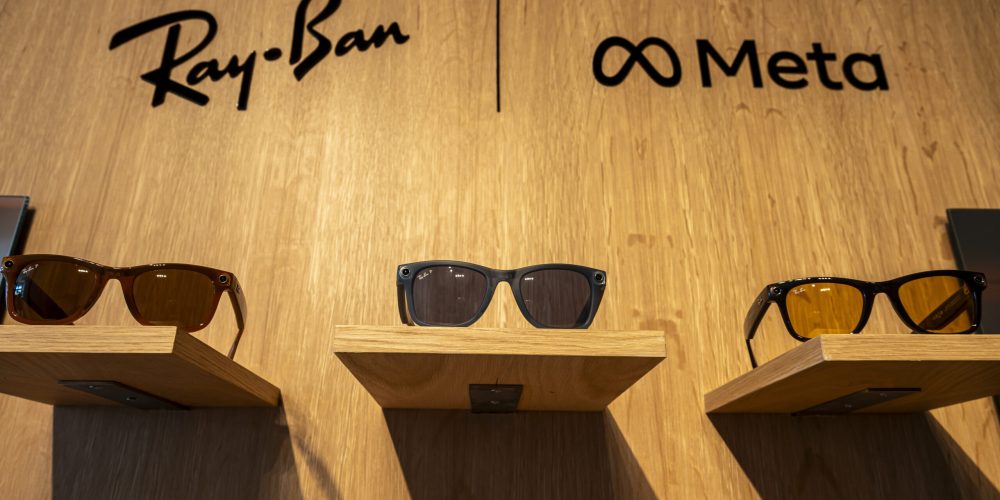
The paused project aimed to build on the success of existing Ray-Ban smart glasses, which allow users to take photos, record video, and access audio features. Meta originally planned to add a small display inside the lenses to show notifications, AI responses, and navigation prompts. That upgrade would have represented a major leap in functionality.
According to people familiar with the project, Meta faced difficulties balancing performance, battery life, weight, and cost. Adding a display increased power demands and complicated the design, making it harder to deliver a product suitable for everyday wear. Engineers reportedly struggled to meet internal targets without compromising comfort or affordability.
Cost also played a central role in the decision. Display-equipped smart glasses would likely have launched at a significantly higher price than current models. Meta worried that a premium price could limit mass adoption, especially as consumers remain cautious about expensive experimental hardware. Leadership ultimately chose to avoid releasing a product with unclear market appeal.
The pause comes as Meta accelerates investment in artificial intelligence across its platforms. The company now focuses on AI software experiences, including assistants embedded in messaging apps, social feeds, and voice-controlled devices. Executives believe these tools can reach billions of users faster than advanced hardware that still faces usability hurdles.
Meta continues to sell and support existing Ray-Ban smart glasses developed with EssilorLuxottica under the Ray‑Ban name. These glasses rely on audio and cameras rather than displays, making them lighter and easier to use. Sales have reportedly exceeded early expectations, reinforcing demand for simpler wearable technology.
Despite the pause, Meta has not abandoned the idea of display-based wearables. Company leaders view smart glasses as a long-term platform that could eventually replace smartphones. However, they want future devices to feel natural, unobtrusive, and useful without overwhelming users or draining batteries too quickly.
Industry analysts see Meta’s decision as a sign of maturity rather than retreat. Many tech companies have struggled to commercialize augmented reality displays at scale. By stepping back now, Meta avoids releasing a product that could disappoint users and damage confidence in its broader wearable ambitions.
The competitive landscape also influences Meta’s thinking. Rivals continue to experiment with mixed reality headsets and AI-powered devices, but consumer adoption remains uneven. Meta appears determined to move cautiously, learning from early feedback instead of pushing unfinished technology into the market.
For now, Meta will prioritize refining AI features that work across phones, apps, and existing wearables. The company believes intelligent voice assistants and context-aware tools can deliver immediate value without requiring new hardware purchases. Smart glasses with displays may return when technology, cost, and user expectations align more closely.
The pause underscores a broader reality in consumer technology: innovation often advances through restraint as much as ambition. Meta’s recalibration suggests the future of AI wearables will arrive gradually, shaped by practicality as well as vision.









