

Key Points:
- Ice swimming in Finland blends physical resilience, mental focus, and deep cultural tradition.
- Experienced athletes recommend gradual exposure, safety awareness, and respect for local conditions.
- Finland’s icy plunges attract travelers seeking wellness, adventure, and authentic Nordic experiences.
Finland’s frozen lakes and coastal waters may appear unwelcoming, yet they draw thousands each winter. Ice swimming, often paired with sauna sessions, has become a defining Nordic wellness ritual. A Finnish endurance athlete shares how these plunges strengthen the body, sharpen the mind, and connect people with nature year-round.
For many Finns, cold-water swimming starts early in life. Families introduce children to icy dips as part of everyday outdoor culture. The practice emphasizes resilience rather than bravado. Locals approach freezing water with calm preparation, careful breathing, and deep respect for weather conditions and personal limits.
The athlete explains that preparation matters more than toughness. Beginners start with short exposures, sometimes just seconds. Controlled breathing helps prevent panic. Entering slowly allows the body to adjust. Regular practice improves circulation and tolerance, but progress depends on consistency, not competition.
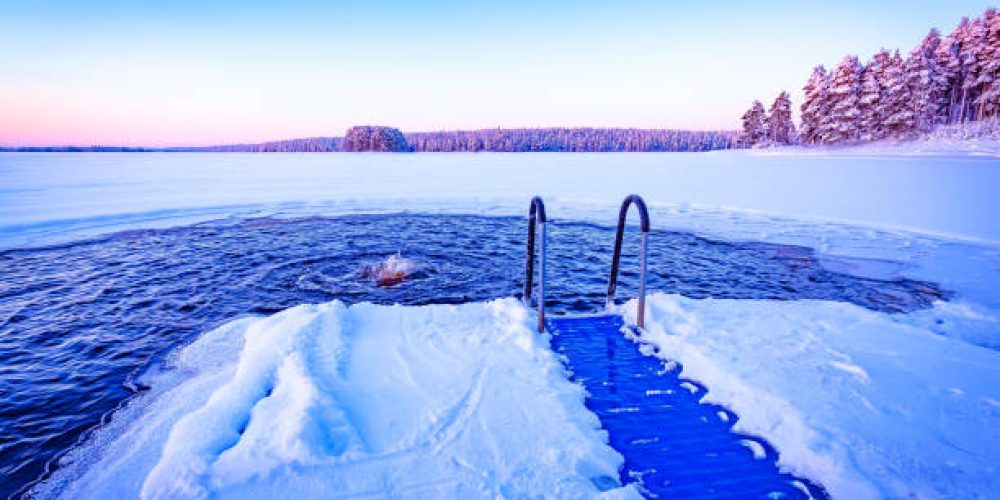
Finland offers countless locations for safe icy plunges. Popular spots include frozen lakes near cities, seaside steps along the Baltic coast, and purpose-built winter swimming platforms. Many locations maintain ice holes throughout winter, often with ladders, lighting, and nearby saunas for warming up afterward.
Saunas play a central role in the experience. Alternating heat and cold supports relaxation and recovery. After emerging from icy water, swimmers return to warmth to restore circulation. This contrast defines Finnish wellness culture, turning an extreme environment into a sustainable, enjoyable routine rather than a risky stunt.
The athlete stresses safety above all. Ice thickness, water currents, and weather conditions change daily. Swimmers never go alone and avoid alcohol before plunging. Wearing footwear improves grip on icy surfaces. Listening to the body remains essential, especially during extreme cold or fatigue.
Beyond physical benefits, ice swimming delivers mental clarity. Many participants describe a sense of calm after plunging. The shock of cold pulls attention into the present moment. Stress fades as the body resets. This mental effect explains why winter swimming attracts professionals, athletes, and wellness travelers alike.
Visitors increasingly travel to Finland for guided ice swimming experiences. Local clubs welcome newcomers and teach proper techniques. These sessions often include cultural context, safety briefings, and shared sauna rituals. Travelers gain insight into Finnish values of simplicity, endurance, and harmony with nature.
The athlete views ice swimming as a lifestyle rather than a challenge. The practice builds confidence, patience, and respect for limits. Finland’s frozen waters invite people to slow down, breathe deeply, and experience winter differently. What seems extreme becomes grounding through tradition, preparation, and community.









