

Key Points:
- Hotels worldwide are redesigning menus and experiences to attract Dry January participants.
- Alcohol-free cocktails and wellness-focused stays are becoming strong revenue drivers.
- Dry January reflects a broader shift toward mindful travel and healthier lifestyle choices.
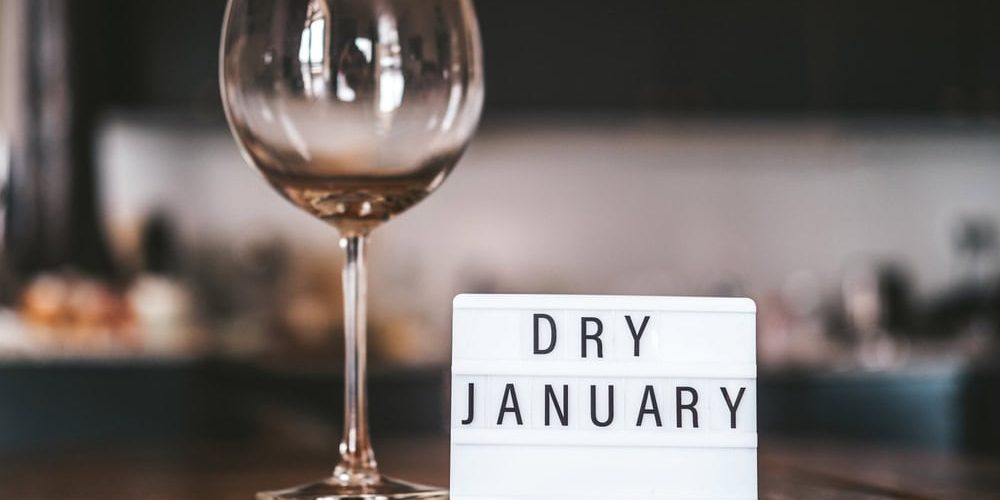
Hotels around the world are adapting to a noticeable shift in guest behavior as Dry January gains momentum. More travelers now seek alcohol-free stays that support wellness goals after the holiday season. Instead of viewing the trend as a challenge, many hotels treat it as an opportunity to rethink hospitality offerings and attract a growing, health-conscious audience.
Traditionally, hotel bars and minibars drove significant revenue, especially during winter travel. However, guest preferences now show clear change. Many travelers want experiences that align with fitness, mental clarity, and balance. Hotels have responded by expanding alcohol-free menus, adding wellness programming, and reframing social spaces beyond drinking culture.
Alcohol-free cocktails play a central role in this shift. Bartenders now design complex mocktails using herbs, fermented ingredients, and botanical flavors. These drinks deliver sophistication without alcohol. Hotels report that guests still enjoy the ritual of socializing at bars, even when choosing nonalcoholic options. This shift helps maintain lively atmospheres without relying on alcohol sales.
Beyond drinks, hotels now curate Dry January experiences that focus on well-being. Guests find guided meditation sessions, morning yoga classes, cold-water plunges, and spa packages promoted as alternatives to nightlife. Some hotels pair these activities with early-morning hikes or cultural tours, appealing to travelers who want energizing starts instead of late nights.
Hotel marketing teams also adjust messaging during January. Promotions now highlight clarity, rest, and renewal instead of indulgence. Language around “reset stays” or “mindful escapes” resonates with guests seeking healthier routines. This approach attracts travelers who might otherwise avoid post-holiday trips due to fitness or sobriety goals.
Dry January also changes group travel dynamics. Hotels observe fewer loud gatherings centered on alcohol and more interest in communal wellness activities. Guests form connections during fitness classes or shared meals rather than cocktail hours. Hoteliers say this creates calmer environments that appeal to solo travelers and couples seeking restorative trips.
From a business perspective, hotels report that Dry January does not reduce overall spending. Guests often reallocate budgets toward spa treatments, premium dining, or extended stays. Alcohol-free cocktails sometimes match traditional cocktail prices due to craftsmanship and ingredients. This pricing strategy helps hotels maintain profitability while supporting guest preferences.
Industry experts see Dry January as part of a wider cultural movement. Many travelers now limit alcohol year-round, not just in January. Hotels that adapt early position themselves well for future demand. Flexibility, inclusivity, and wellness-focused hospitality now shape long-term strategies across the travel sector.
As Dry January continues to grow, hotels appear less concerned about lost bar revenue. Instead, they embrace the chance to redefine luxury through wellness, creativity, and mindful enjoyment. For travelers, this shift means more choices, healthier stays, and social experiences that do not depend on alcohol.









