

Key Points:
- Power in the Channel Tunnel has been restored, ending the immediate technical fault.
- Eurostar services still face delays due to congestion and operational backlogs.
- The incident highlights the fragility of major cross-border transport infrastructure.
Power has been fully restored in the Channel Tunnel after a technical failure disrupted international rail travel between the UK and mainland Europe. While the immediate electrical issue has been fixed, passengers continue to face delays as operators work through a backlog of affected services. The disruption hit one of Europe’s busiest transport links during a peak travel period.
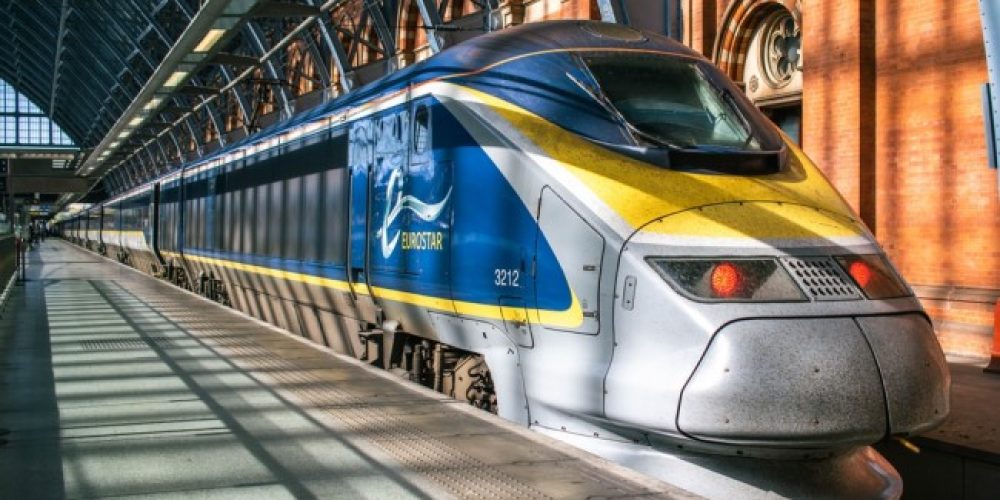
Eurostar confirmed that normal power supply returned following urgent intervention by infrastructure teams. Engineers resolved the fault that interrupted electricity systems supporting high-speed trains running through the tunnel. The company stressed that safety systems worked as designed and no passengers faced direct danger during the incident.
Despite the fix, rail services did not immediately return to full schedules. Several departures experienced knock-on delays due to displaced trains, crew availability issues, and congestion at major terminals. Eurostar advised passengers to expect longer journey times and to check live updates before travelling, especially on routes connecting London, Paris, and Brussels.
The incident affected the Channel Tunnel, a critical piece of infrastructure that carries both passenger and freight traffic beneath the English Channel. Even short technical interruptions can create widespread disruption because of the tunnel’s tightly coordinated traffic management and strict safety protocols that limit rapid recovery.
Rail officials explained that once power returns, trains must restart gradually. Systems require testing, signaling checks, and controlled movement to prevent congestion underground. This careful approach reduces risk but extends delays for passengers already impacted by earlier cancellations and service changes.
Travelers described crowded stations and extended waits as operators attempted to restore order. Many passengers missed connections or faced rebooking challenges, particularly those heading to airports or onward European destinations. Eurostar said staff were deployed across terminals to assist customers with alternative travel arrangements and compensation queries.
The disruption highlights the vulnerability of international transport corridors to technical failures. The Channel Tunnel operates with complex electrical, ventilation, and signaling systems, all of which must function perfectly to keep traffic flowing. Any malfunction, even brief, can ripple across multiple countries and transport networks.
Transport analysts note that incidents like this often prompt renewed focus on infrastructure resilience. As passenger numbers continue to rise, especially during holidays, operators face increasing pressure to invest in redundancy systems and faster recovery processes. Maintaining reliability remains essential for public confidence in cross-border rail travel.
Eurostar reiterated its apology to affected passengers and emphasized that safety remains the top priority. The company said it continues to monitor services closely and expects punctuality to improve steadily as schedules normalize. Passengers were encouraged to allow extra time and remain flexible until full operations resume.
While the immediate power problem no longer threatens tunnel operations, the lingering delays serve as a reminder of how interconnected Europe’s transport systems have become. A single fault beneath the Channel can quickly affect thousands of journeys across the continent, underlining the importance of robust infrastructure management.









