

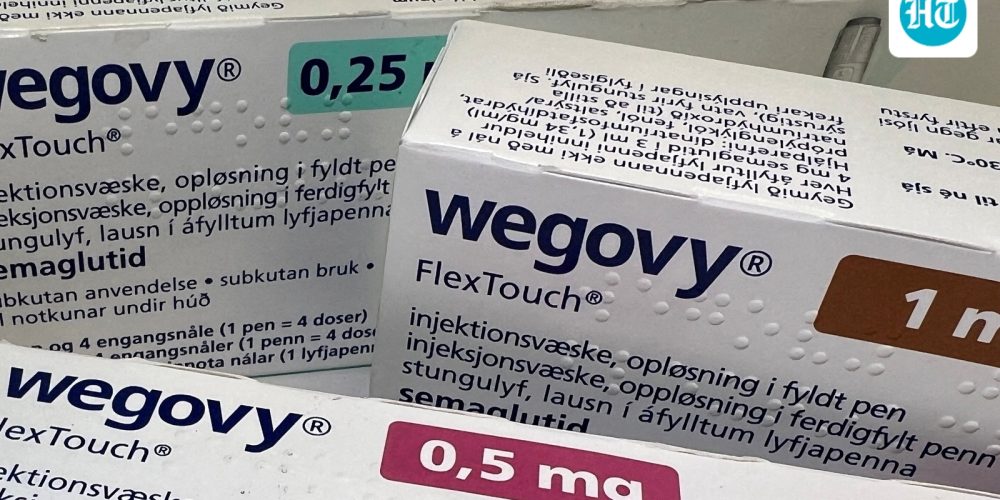
Novo Nordisk has announced a significant price reduction for its blockbuster weight-loss drug Wegovy in China, signaling a strategic shift as the company prepares for intensifying competition in one of the world’s largest obesity markets. The Danish pharmaceutical giant confirmed on Monday that it is adjusting Wegovy’s pricing structure, although it did not disclose official figures.
Local Chinese media reports suggest the cuts are substantial. According to Yicai, list prices for the two highest doses of Wegovy have been reduced by nearly half in some regions. Monthly costs reportedly dropped to around 987 yuan and 1,284 yuan, down roughly 48% from earlier levels. These changes were initially observed in southwestern provinces such as Yunnan and Sichuan, where local procurement authorities are involved in pricing decisions.
Novo Nordisk said the move is aimed at easing the financial burden on patients and improving access to treatment. The company emphasized that lower prices could help more people manage obesity and related health conditions, which are growing rapidly across China.
China represents a critical market for weight-loss therapies. Health projections suggest that more than 65% of the country’s population of about 1.4 billion people could be overweight or obese by 2030. That trend has attracted global drugmakers and fueled strong demand for effective obesity treatments, turning China into a battleground for pharmaceutical competition.
The timing of Novo Nordisk’s decision is notable. The patent for Wegovy’s active ingredient, semaglutide, is set to expire in China in 2026. Once that happens, domestic pharmaceutical companies are expected to introduce cheaper alternatives, increasing pressure on branded products. Several Chinese drugmakers are already developing their own versions of semaglutide-based treatments or preparing rival weight-loss drugs for market entry.
By cutting prices now, Novo Nordisk appears to be positioning Wegovy more competitively ahead of that patent cliff. Lower pricing could help the company retain market share, build patient loyalty, and maintain a strong presence even as generic or locally developed options become available.
China is not the only emerging market where Novo is adjusting its strategy. The company recently reduced Wegovy prices by up to 37% in India, another country with a rapidly growing obesity problem and high price sensitivity. These moves reflect a broader shift toward expanding access in developing markets rather than relying solely on premium pricing.
The pricing changes also mirror developments in the United States. In November, Novo Nordisk and its main competitor, Eli Lilly, agreed to cut prices on certain weight-loss drugs as both companies increasingly target cash-paying consumers. Rising public scrutiny over drug affordability and pressure from insurers have pushed manufacturers to reconsider pricing models in key markets.
Despite the price reductions, competition in the global obesity drug market is expected to intensify. Analysts note that as patents expire and more treatments gain regulatory approval, price wars could become common, especially in cost-sensitive regions. For Novo Nordisk, early price adjustments may help soften the impact of future rivals while keeping Wegovy accessible to a broader patient base.
Overall, the move highlights how pharmaceutical companies are adapting to shifting market dynamics, balancing profitability with access as demand for weight-loss treatments continues to surge worldwide.









