

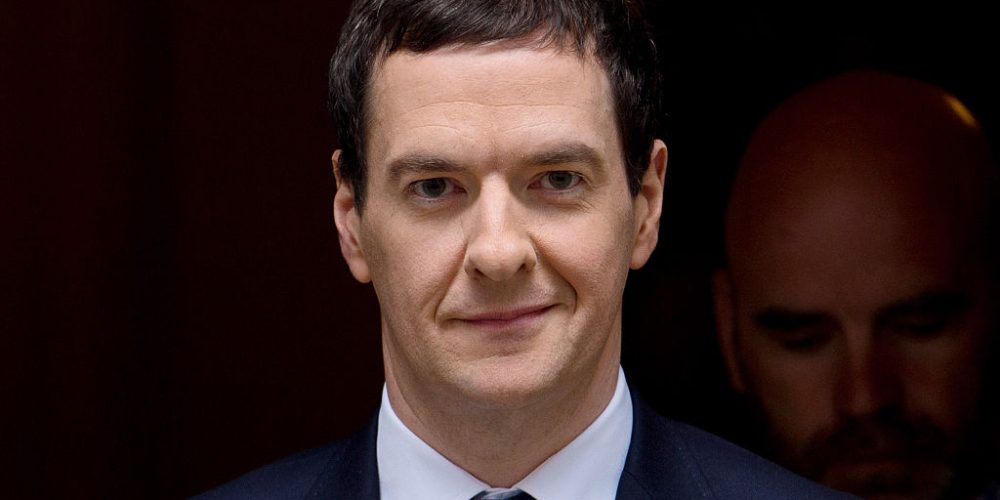
OpenAI has made a significant move into the political sphere by hiring former British Chancellor George Osborne. The artificial intelligence giant aims to use his deep political expertise to bridge the gap between technology and governance. Osborne served as the UK’s finance minister for six years and brings a vast network of international contacts. His new role focuses on helping nations integrate advanced AI systems into their public services and economic frameworks.
This appointment comes at a critical time for the tech industry. Governments worldwide are currently racing to establish rules for AI development. OpenAI wants to position itself as a helpful partner rather than a distant corporation. By hiring a veteran statesman, the company signals its commitment to collaborative policy-making. Osborne will likely lead discussions on how AI can boost national productivity and modernize aging bureaucracies.
The former Chancellor is no stranger to the world of business and finance. Since leaving frontline politics, he has held various advisory roles in the private sector. He has worked with major investment firms and served in high-level editorial positions. His transition to OpenAI reflects the growing influence of the AI sector on global affairs. Many experts believe that the next decade of economic growth will depend heavily on machine learning.
Critics often raise concerns when high-profile politicians join powerful tech firms. Some worry about the potential for excessive lobbying or revolving-door influence. However, OpenAI maintains that such expertise is vital for safe and responsible deployment. They argue that understanding the complexities of government is essential for creating beneficial tools. Osborne’s experience with national budgets could prove particularly useful as states weigh the costs of AI infrastructure.
The move also highlights OpenAI’s ambition to expand its global footprint. The company is moving beyond consumer chat applications. It now seeks to provide the underlying infrastructure for entire countries. This involves sensitive discussions about data privacy, national security, and economic competition. Having a seasoned negotiator on the team provides a significant advantage in these high-stakes environments.
Europe remains a primary focus for AI regulation. The European Union has already implemented strict rules regarding digital intelligence. Osborne will likely play a key role in navigating these legal landscapes. He must balance the company’s drive for innovation with the public’s demand for safety. This role requires a delicate touch and a deep understanding of international law.
Ultimately, this hiring shows that AI is no longer just a technical field. It has become a core pillar of modern geopolitics. The collaboration between Silicon Valley and Westminster suggests a more integrated future for tech and statecraft. As OpenAI continues to evolve, the presence of political heavyweights like Osborne will likely become more common. The world is watching to see how this partnership shapes the future of public policy.









