

Recent updates to hypertension management have clinical professionals re-evaluating their approach to high blood pressure. New 2025 guidelines from the American Heart Association and the American College of Cardiology provide essential updates for treating complex cases. These recommendations emphasize a shift toward more comprehensive diagnostics and strategic drug combinations.
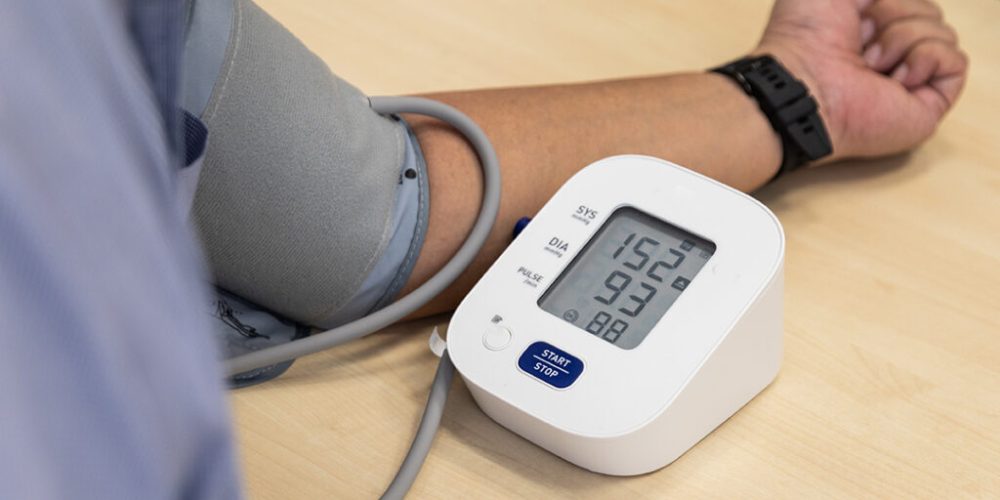
A central theme in the latest guidance is the importance of out-of-office monitoring. Clinic readings often fail to reflect a patient’s true cardiovascular risk. Home blood pressure values correlate much more closely with long-term heart health. Clinicians are encouraged to review home monitoring logs frequently to ensure accuracy and adherence to treatment.
When blood pressure remains high despite medication, the new standards urge a deeper look into secondary causes. Research shows that secondary factors affect up to 25% of patients with hypertension. Obstructive sleep apnea is a major contributor and may be present in half of all hypertensive individuals. Healthcare providers should use clinical questionnaires to screen for these risks before moving to invasive testing.
Primary aldosteronism is another critical focus in the 2025 updates. This condition impacts roughly 10% of people with high blood pressure and doubles the risk of cardiovascular events. The guidelines now support more routine screening for this hormonal imbalance. Testing usually involves an aldosterone-renin ratio assay. Notably, the absence of low potassium does not rule out the condition. Many patients maintain normal potassium levels despite having primary aldosteronism.
The role of imaging has also been clarified. While many patients show signs of atherosclerotic renovascular disease, it rarely causes significant pressure elevations. Advanced imaging like CT angiography should be reserved for specific cases rather than used as a first-line screening tool. This prevents unnecessary procedures and focuses care on more likely causes of resistance.
Treatment strategies continue to prioritize the synergy between different drug classes. If initial combinations do not reach target goals, adding a third class, such as a calcium-channel blocker, is often the next step. The guidelines also introduce newer procedural options like renal denervation for those who do not respond to traditional pills.
These updates aim to provide a clearer path for managing patients with stage 2 hypertension. By focusing on home data, secondary screening, and strategic pharmacology, the 2025 guidelines help doctors tackle stubborn cases more effectively. Success requires a proactive approach that balances lifestyle changes with the latest medical advancements. As medical understanding evolves, these standards ensure that patient safety and long-term heart health remain the top priorities.









