

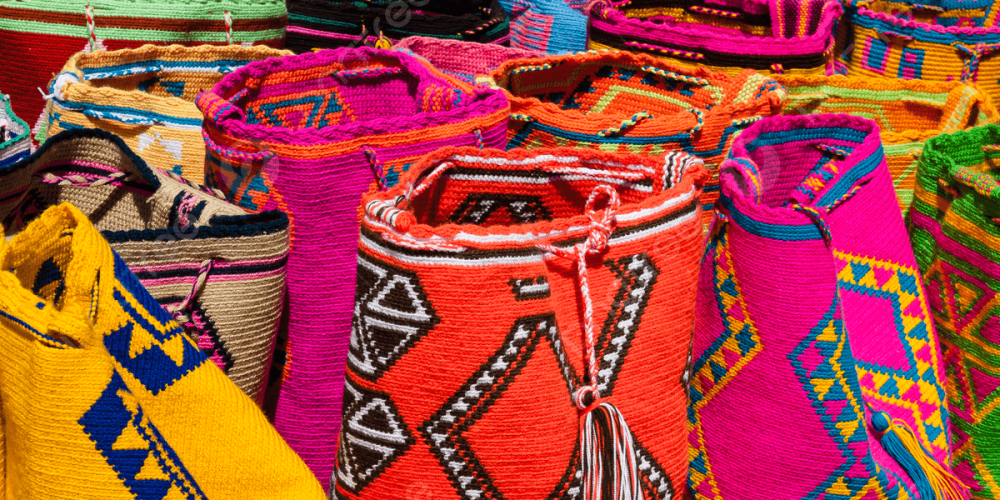
In Colombia’s arid La Guajira region, Wayuu women weavers are reclaiming their cultural heritage by producing mochila bags—vivid, geometric handwoven totes that carry deep symbolic meaning. What once was a traditional craft is becoming a vehicle for empowerment.
Over decades, many middlemen and external entities siphoned off profits, leaving artisans with meager returns. Today, weaving still offers crucial income in one of Colombia’s poorest regions. But the path to fair pay and autonomy is steep: many artisans report receiving as little as $5 to $10 per bag, despite weeks or months of labor.
To change that, a new generation of entrepreneurs and cooperatives is emerging. They’re working directly with artisans, skipping intermediaries, and bringing these vibrant crafts to global markets—while pushing for transparency and equitable profits. By cutting out the middle layers, they aim to redirect income back to the hands that do the weaving.
Educators and activists are helping too. Workshops teach pricing, logistics, social media, and brand building, enabling artisans to scale without losing cultural integrity. Some weavers are even leveraging digital platforms to tell stories, showcase techniques, and sell internationally. The goal is to honor tradition—and turn it into sustainable livelihood.









