

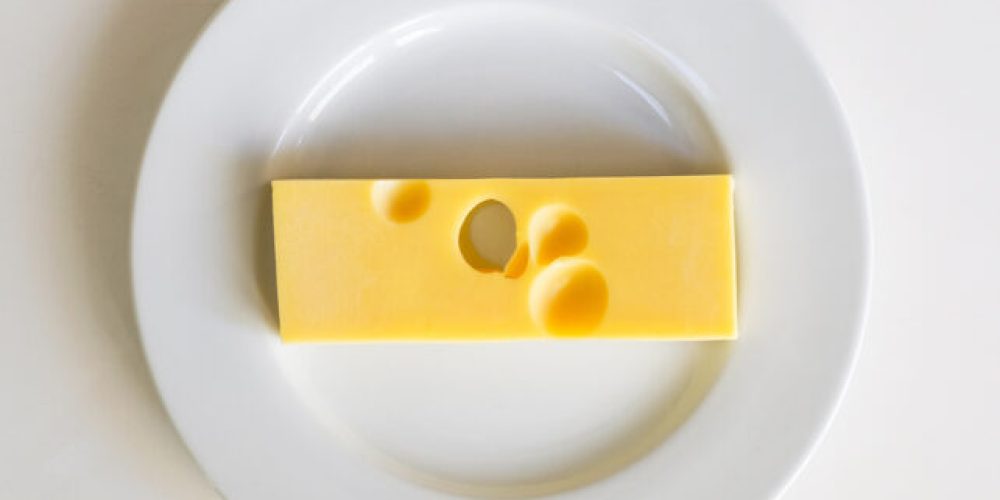
A recent observational study from Japan suggests that regularly eating cheese might offer a minor but statistically significant protective effect against dementia. The research, published in the journal Nutrients, explored the dietary habits of nearly 8,000 individuals over a three-year period. Researchers found that participants who reported consuming cheese regularly showed a reduced risk of developing dementia symptoms.
Specifically, the study noted that only 134 regular cheese-eaters developed dementia, compared to 176 people in the non-consuming group. This translates to a modest but notable risk reduction of 1.06 percentage points. The authors suggested this finding aligns with other research indicating potential neuroprotective qualities within dairy products.
However, researchers and external experts urge caution when interpreting these results. The study’s first author, Dr. Seungwon Jeong of Niimi University, noted a key contextual factor. Japan has a remarkably low baseline level of cheese consumption compared to Western nations. An average American consumes nearly seventeen kilograms of cheese per year, while the average person in Japan consumes only about two-and-a-half kilograms.
This low overall intake means even a small difference in consumption frequency can appear statistically amplified within the Japanese population. Because the study was observational, it established an association, but it cannot prove that cheese directly causes the lower dementia risk. Correlation does not equal causation.
Heart health specialist and registered dietitian Michelle Routhenstein, who was not involved in the research, emphasized that the noted “benefit” could stem from various external factors. These confounding variables might include an overall healthier lifestyle, better general diet quality, or socioeconomic advantages among those who reported eating cheese.
Despite the caveats, the study adds weight to the idea that certain components in cheese could be brain-protective. While the majority of cheese consumed by participants was processed, previous literature highlights potential beneficial elements in dairy. These include Vitamin K2, along with antioxidants like selenium and Vitamin E. These components help reduce inflammation, support healthy blood vessels, and maintain proper calcium balance. All of these factors may help protect the brain and lower long-term dementia risk.
Experts stress that not all cheese is equally beneficial. Cheese has historically raised concerns due to high levels of saturated fat and sodium, which can negatively impact blood pressure and lipid levels. Both of these conditions are well-established risk factors for dementia.
Therefore, the preparation and portion size matter profoundly. Fermented cheeses, which contain more bioactive peptides or probiotics, are considered more favorable. Experts advise consuming modest one-to-two-ounce servings as part of a meal rich in whole grains, vegetables, and legumes. They caution against highly processed, high-sodium varieties or heavy preparations that rely on refined carbohydrates, deep-frying, or heavy cream. In summary, cheese can fit into a brain-healthy eating pattern, but the overall context of the diet remains the most critical factor for cognitive health.









