

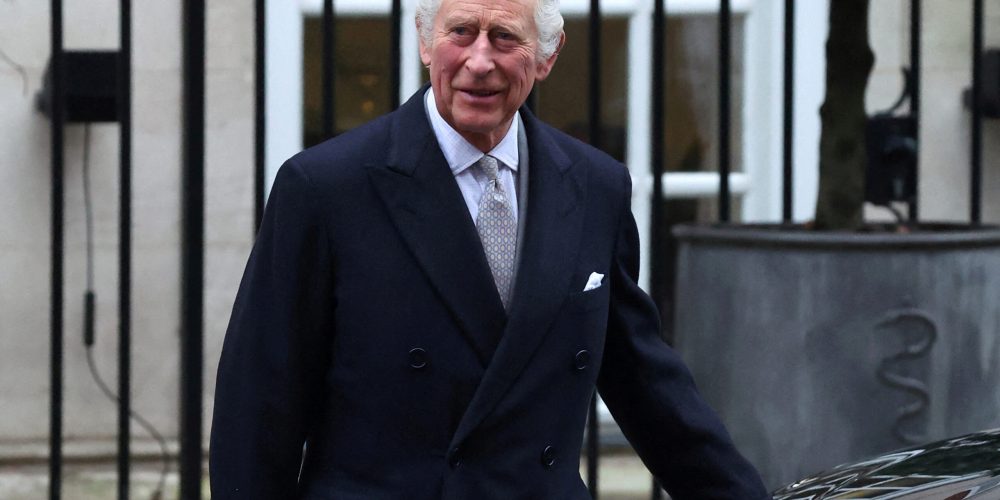
King Charles III delivered welcome news regarding his health journey last week. The monarch announced that his cancer treatment schedule will be significantly reduced in the New Year. This positive development follows nearly two years of therapy after his diagnosis in February 2024.
The King, aged 77, shared this update during a pre-recorded video message. The message aired as part of the annual Stand Up To Cancer broadcast on Channel 4. He called the successful progress a “personal blessing.” He specifically credited early diagnosis, effective intervention, and strict adherence to his doctors’ orders for the milestone.
Buckingham Palace later confirmed the good news. They stated that His Majesty responded “exceptionally well” to the ongoing treatment. His medical team now advises transitioning the regimen into a “precautionary phase.” While this does not imply remission, the change signals a notably positive stage in the King’s recovery. Officials stressed that monitoring and review will continue to prioritize his ongoing health.
The monarch has used his personal battle to champion cancer awareness nationwide. His televised address served a dual purpose: providing an update and urging citizens to prioritize cancer screening. King Charles revealed that the diagnosis felt overwhelming initially, a sentiment many cancer patients share. He emphasized that early detection remains the key factor. It transforms treatment outcomes and offers “the precious gift of hope” to patients and their medical teams.
The King expressed deep concern over national screening statistics. He noted that approximately nine million people in the United Kingdom are overdue for recommended cancer screenings. He lamented this figure represented millions of missed opportunities for life-saving early diagnosis. He underlined the gravity of this issue by citing statistics. For instance, bowel cancer survival rates exceed ninety percent when caught early, but they plummet dramatically when detected late.
Charles did not disclose the specific type of cancer he battles. The Palace purposefully maintains this privacy. Royal officials explained this decision ensures the King speaks broadly to all individuals affected by the disease. This approach maximizes the public good derived from his experience. The cancer was discovered in 2024 following treatment for a benign enlarged prostate, though doctors confirmed it was a separate issue.
Since his diagnosis, King Charles has broken centuries of royal tradition regarding medical secrecy. His openness has profoundly impacted public engagement with health campaigns. Following his initial announcement, cancer charities reported a substantial surge in website visits as people searched for symptoms and information. He hopes his latest update will reinforce the benefits of early intervention across the nation.
Buckingham Palace later released a statement. They expressed delight over the global media and public reaction to the King’s candor. They noted the positive response had “deeply touched” His Majesty. He feels particularly pleased that his message successfully highlighted the benefits of screening programs. Charles resumed a full schedule of public duties following a brief pause after his diagnosis. He firmly believes continuing his state work has played an important role in maintaining a positive outlook throughout his treatment journey. He concluded his message by offering heartfelt thanks to the doctors, nurses, researchers, and caregivers supporting the entire cancer community.









