

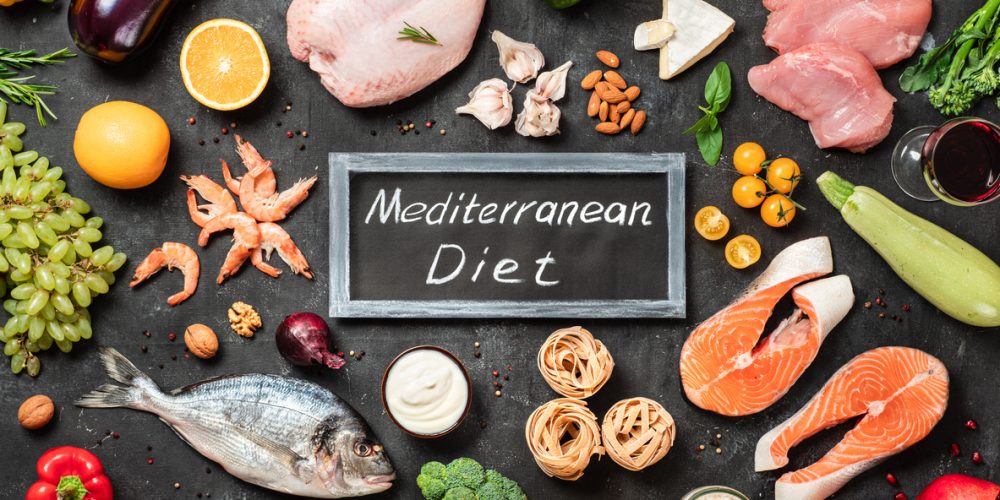
For years, scientists have explored how diet impacts our lifespan. An extensive body of research strongly suggests that the Mediterranean diet holds a powerful key to a longer, healthier life. Characterized by a rich reliance on fresh, whole foods, this eating pattern offers widespread benefits for both the body and the mind. It consistently links to better heart health, weight management, and reduced risks for various chronic conditions.
The traditional Mediterranean diet emphasizes whole vegetables, fruits, legumes, and grains. It incorporates moderate amounts of oily fish, while limiting red meat and highly processed foods. The primary fat source is olive oil. This unique nutritional profile provides potent anti-inflammatory and antioxidant properties that underpin its health advantages.
Scientific studies published in 2025 alone highlight the diet’s broad effects. Researchers have linked this eating style to better brain function, lower cancer risk, and improved blood pressure control. For example, research into the diet’s memory-protecting qualities suggests it has a uniquely beneficial effect on the gut microbiota. A healthy gut then influences numerous processes in other bodily systems, contributing to overall vitality.
Experts, like Professor Thomas Barber, an endocrinology and obesity specialist, note that the diet’s success stems from its focus on fresh, plant-based nutrients. This food matrix helps the body manage inflammation and oxidative stress, both of which accelerate aging and disease development.
The overwhelming evidence supporting this diet has inspired several specialized variations. The Green Mediterranean diet is one such modification. It focuses exclusively on plant-based foods, eliminating all meat. Proponents designed this version to be more environmentally friendly and to excel at reducing visceral fat. Visceral fat is the dangerous type that accumulates around internal organs. Studies show the Green Mediterranean diet may also help slow down brain aging and stabilize blood sugar levels.
Another prominent modification is the MIND diet. This version strategically combines elements of the traditional Mediterranean diet with the Dietary Approaches to Stop Hypertension (DASH) diet. Researchers specifically engineered the MIND diet to combat cognitive decline and improve brain health.
Beyond the generalized health improvements, a lower-calorie Mediterranean diet also shows specific benefits in managing body weight and improving bone density, according to recent Spanish findings. These results indicate that the diet is flexible enough to be adapted for different individual health needs.
Ultimately, the Mediterranean diet’s success lies in its holistic approach. It is not a temporary regimen but a sustainable, balanced eating pattern. The array of fresh produce, healthy fats, and quality protein provides the essential building blocks for long-term physiological health. By consistently feeding the body nutrient-dense foods, the diet supports internal systems, from the cardiovascular network to the gut and the brain, helping individuals not just live longer, but live healthier.









