

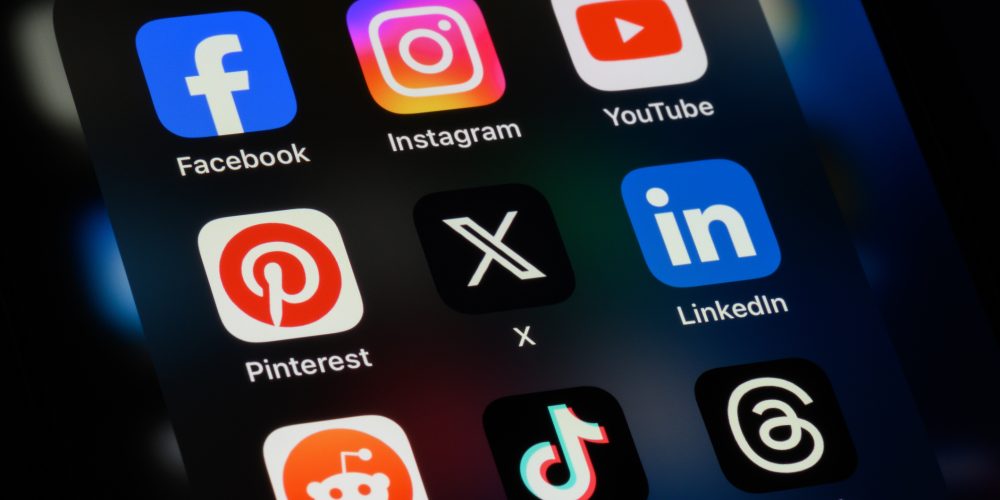
Australia has launched a world-first legislative strike against major tech platforms. The nation is enforcing a sweeping new law that bans social media accounts for children under the age of 16. This significant regulation takes effect on December 10, 2025. It compels companies like Meta Platforms to proactively restrict access for underage users. Companies failing to comply face massive financial penalties reaching up to A$49.5 million (approximately US$33 million).
In a clear sign of compliance, Meta began swiftly deactivating hundreds of thousands of accounts this week. The tech giant’s platforms—including Facebook, Instagram, and Threads—are affected. Meta is utilizing age-estimation technology to identify and lock out users suspected of being under 16. Other platforms, like TikTok, Snapchat, and YouTube, have also confirmed they will adhere to the new rules. They are notifying young users to download their content before accounts are deleted or frozen until they turn 16.
The Australian government views this action as necessary to protect minors from documented harm. eSafety Commissioner Julie Inman Grant championed the forceful approach. She stressed that incremental changes had proven insufficient to curb the powerful, often harmful, design features embedded in these services. Grant stated the platforms exploit user data, fueling engagement features that prove difficult even for adults to resist. She noted that children face almost no chance against these manipulative designs.
The new legislation marks a turning point in global tech regulation. Commissioner Grant called the law the “first domino” in a broader international movement to rein in Big Tech’s influence. Governments around the world are reportedly watching the Australian rollout closely. The pushback from the tech industry has been intense. Lobbying efforts against the law even reached the U.S. Congress. Grant mentioned receiving a request to testify before the U.S. House Judiciary Committee. She pointed out that this request, which questions the law’s extra-territorial reach, itself demonstrates the global stakes involved.
Despite widespread parental support, the ban faces criticism. Opponents argue the law amounts to an unfair restriction on freedom of expression. A legal challenge has already been lodged in the High Court by a group called the Digital Freedom Project.
Furthermore, YouTube warned the restrictions could paradoxically make young people less safe online. The video platform argued that signing out minors removes valuable safety filters, yet children could still watch content without an account.
Australian Communications Minister Anika Wells dismissed this critique. She stated that if YouTube admits its platform contains content unsafe for restricted users, the company needs to fix its own fundamental problems. This firm regulatory stance confirms Australia’s commitment to prioritizing child welfare over corporate digital interests.









