

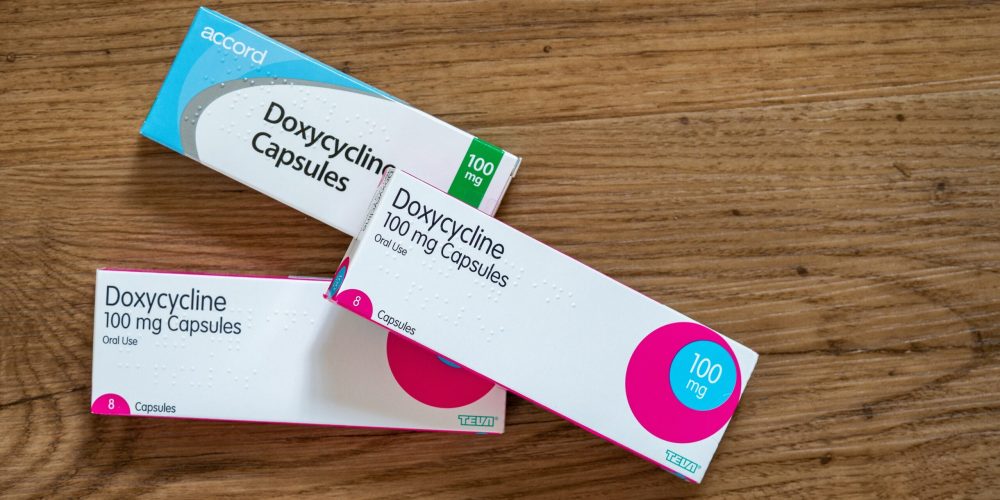
A significant public health challenge is emerging in Spain as the use of doxycycline for postexposure prophylaxis (PEP) against sexually transmitted infections (STIs) rapidly expands. This practice, known colloquially as doxy-PEP, is increasing through community channels despite cautious national guidelines and concerns from medical professionals.
Recent studies confirm this widening trend. A 2024 survey conducted by the sexual health organization Stop SIDA found that over half of male respondents who have sex with men had taken doxycycline at least once as a preventive measure. Crucially, many people obtain this antibiotic outside formal healthcare settings. Survey respondents often secured the drug using leftover prescriptions or by purchasing it online. Some even acquired prescriptions fraudulently from clinicians.
Experts suggest community discussion has fueled the normalization of doxy-PEP. Ángel Rivero, an HIV and STI specialist in Barcelona, noted that dating applications commonly share information regarding its use. This sharing often pushes individuals unfamiliar with the drug to seek it out themselves. Consequently, clinicians report encountering many patients already using the drug independently.
Currently, doxycycline for PEP lacks approval for STI prevention in Spain. It remains an off-label use. The Spanish Society of Infectious Diseases and Clinical Microbiology (SEIMC) issued a position paper to guide responsible prescribing. This guidance strictly limits the practice to men who have sex with men and transgender women who have experienced recurrent STIs within the past year.
Explore AI and Patient Surveys Boost Early Dementia Diagnosis by 31% in Primary Care Study
SEIMC spokesperson Gema Fernández-Rivas confirmed this restriction. She emphasized that doctors must individualize all prescribing decisions. Both Fernández-Rivas and Rivero expressed concern that informal use complicates diagnosis and monitoring. They stressed the urgent need for health institutions to track patients using doxy-PEP to manage the overall process better.
Doxycycline is highly effective against Chlamydia and syphilis. This efficacy, coupled with its good tolerability and low cost, makes it a popular choice for prophylaxis. Clinical trials, including Spanish studies, have demonstrated that doxy-PEP significantly reduces the incidence of these STIs. The recommended regimen involves taking a 200 mg dose as quickly as possible after condomless sex, ideally within 24 hours.
However, widespread, unsupervised use poses a serious threat of antimicrobial resistance. Increased resistance in Neisseria gonorrhoeae (gonorrhea) strains has already occurred among doxy-PEP users. While resistance levels remain low for syphilis and chlamydia, sustained use could quickly change this situation. Scientists worry this selective pressure could promote resistance not only in STI-causing bacteria but also in a patient’s normal microbiota. This might weaken the effectiveness of other unrelated antibiotics, threatening public health at a population level.
Health advocates and experts agree that the policy response has lagged behind community adoption. Clinicians face legal uncertainty because the drug is not officially approved for this use, forcing patients to rely on individual doctors’ willingness to prescribe. Many people feel they must choose clandestine routes to secure the drug. Public health organizations are urging the creation of systematic, evidence-based guidance. Such clear protocols must involve collaboration between community groups and health professionals. They must help both patients and clinicians make safe, informed decisions regarding this increasingly common practice.









