

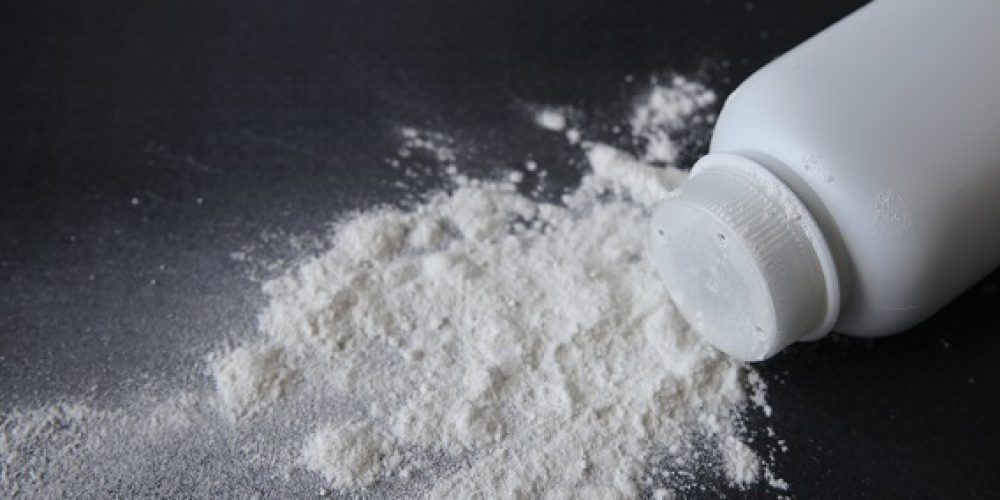
The Food and Drug Administration (FDA) recently created a significant controversy by withdrawing a proposed rule that would have mandated asbestos testing for all talc-containing cosmetic products. This abrupt reversal follows the agency’s earlier commitment to ensuring consumer safety after years of public health concerns about asbestos contamination and its link to various cancers.
The original proposal, issued in 2024, came as a direct requirement under the Modernization of Cosmetics Regulation Act of 2022. This landmark law aimed to standardize and improve testing for talc, a mineral often mined near asbestos, which is a known carcinogen linked to mesothelioma and other severe illnesses. For decades, consumer safety groups have argued that asbestos-contaminated talc in products like baby powder poses an unacceptable risk to the public.
Just six months prior to the withdrawal, the FDA hosted an expert panel that featured extensive presentations outlining the strong connection between asbestos-containing talc and numerous cancers. FDA Commissioner Marty Makary, MD, seemed poised at that time to consider even more drastic actions, possibly banning talc entirely from personal care items. The agency subsequently received dozens of comments on the 2024 proposal, many from consumers expressing deep concern about cancer risks.
The FDA’s withdrawal order, published in the Federal Register, stated the agency will “reconsider the best means” to address the issue. The FDA cited a need to develop broader principles for reducing asbestos exposure and ensuring any standardized testing method effectively protects consumers. The agency insists it will still issue a new proposed rule to meet its statutory obligations later.
However, consumer and patient advocacy organizations immediately condemned the decision, labeling it a dangerous step backward for public health. Linda Reinstein, co-founder of the Asbestos Disease Awareness Organization, called the move a “dangerous rollback,” arguing the existing testing framework is severely outdated and incapable of reliably detecting all asbestos fibers. Reinstein stated that abandoning this common-sense requirement directly disregards a clear directive from Congress.
The Environmental Working Group (EWG) also voiced strong opposition. Scott Faber, EWG’s senior vice president, called the withdrawal “dangerous and irresponsible.” He pointed to a 2020 study commissioned by EWG that detected asbestos in 15% of tested talc-based cosmetics. Faber stressed that mandatory tests for asbestos are the only dependable way to guarantee product safety when manufacturers use talc.
While the Personal Care Products Council (PCPC), which represents many manufacturers, acknowledged the withdrawal, they offered no immediate comment on the safety implications. Public health advocates worry the FDA’s decision prolongs uncertainty and leaves millions of Americans unnecessarily vulnerable to preventable exposure until a new rule is finally established and enforced.









