

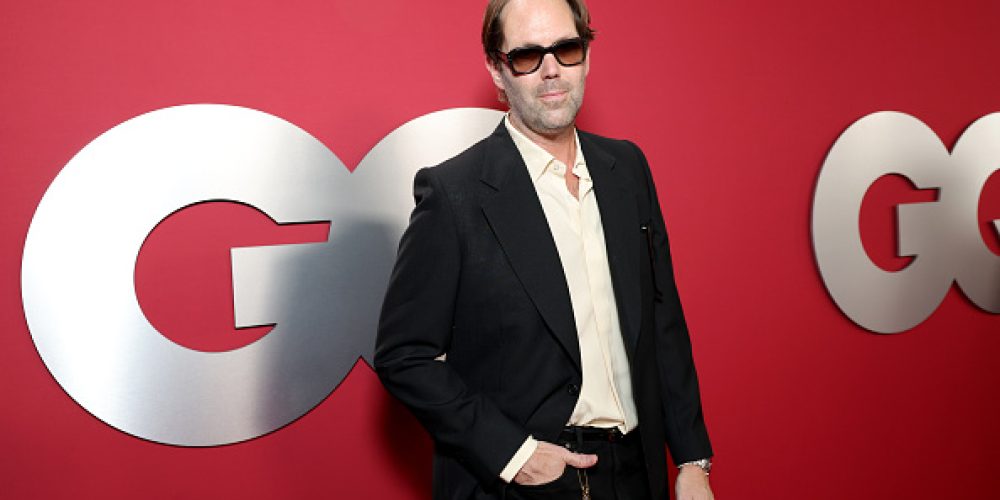
Apple’s longtime design executive, Alan Dye — widely credited with crafting the company’s signature “liquid glass” finish — is leaving the firm, according to a recent report. Dye’s departure marks the end of an era for one of Apple’s most recognizable aesthetic signatures, prompting speculation about the future of iPhone and other product design.
Dye led Apple’s industrial design efforts for several years. Under his direction, Apple introduced bold new materials and finishes that helped products stand out in a crowded smartphone market. The “liquid glass” finish, first seen on recent iPhone models, delivered a glossy, premium look and helped differentiate the devices from competitors. Dye also oversaw many of Apple’s design-language updates — subtle changes that shaped the look and feel of everything from the iPhone to the MacBook.
Industry watchers say Dye’s exit could trigger changes in Apple’s design direction. The firm’s visual identity has long balanced minimalism with technological flair, a balance largely maintained under Dye’s stewardship. With him gone, Apple could shift toward more conservative or different stylistic touches — though there is no guarantee. Some analysts expect internal leadership reshuffles and perhaps a brief period of visual design experimentation before a new consensus emerges.
For Apple, design isn’t just about looks — it’s a core part of its competitive advantage. The feel, finish, and style of its products help justify premium prices and support brand loyalty. Dye’s contributions played a central role in maintaining that premium identity. His departure may impact how Apple presents new devices, especially at a time when rivals are narrowing the gap in hardware performance and features.
However, insiders and former colleagues suggest that Apple’s design culture runs deeper than any individual. The company employs large teams who understand Apple’s aesthetic philosophy. While Dye provided creative leadership, these teams are likely capable of continuing under new direction without dramatic interruptions. This internal strength could help Apple manage a smooth transition.
What exactly motivated Dye’s exit remains unclear. Some observers suggest he might be seeking new personal or professional challenges after over a decade with Apple. Others think the move could reflect shifting priorities inside the company, as Apple increasingly focuses on areas like AI, services, and sustainability — where design still matters but in different contexts.
For consumers, the effects might become visible in upcoming iPhone releases, MacBooks, or other Apple hardware. Fans of the glossy, high-end “liquid glass” look may notice subtle changes, while others might welcome design refreshes. Analysts will closely watch Apple’s next product lineup for clues about how the company adapts without Dye at the helm of design.
Ultimately, Dye’s departure underscores a broader truth: design leaders matter — but so does institutional memory and collective creative effort. Apple’s identity may evolve, but its deep bench of designers and strong brand values may help the company retain much of its visual identity while experimenting with new aesthetic directions.









