

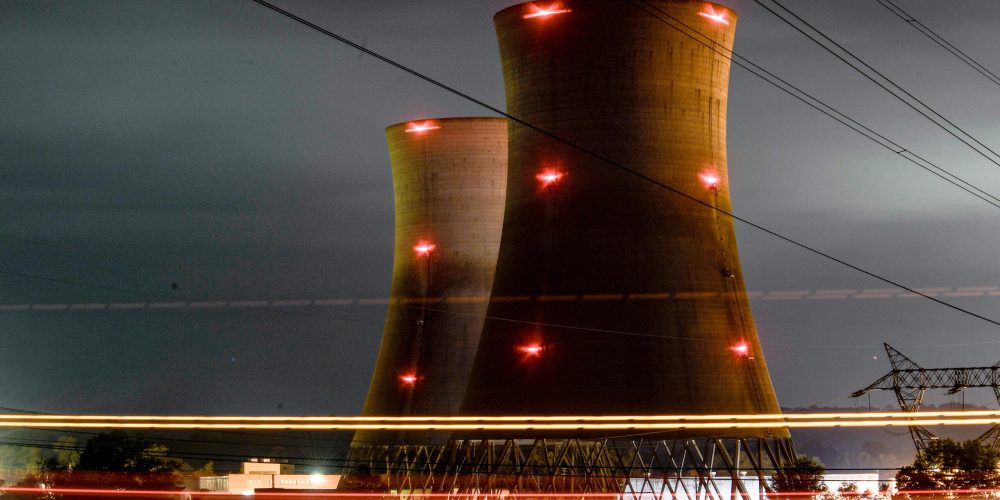
Supporters of former President Donald Trump have revived a controversial proposal to restart Three Mile Island Nuclear Generating Station — the facility infamous for the 1979 meltdown. The idea aims to ease electricity shortfalls in the U.S. and reduce reliance on foreign energy imports.
In a new energy blueprint, Trump argues that reviving the long-dormant plant would deliver more stable power and help curb inflation by lowering fuel costs. The blueprint champions nuclear energy as a backbone for cheaper, domestic electricity, and frames Three Mile Island’s restart as a bold move toward national energy independence.
But critics warn the proposal ignores deep-rooted risks and long-lasting public mistrust. For many, the plant remains a symbol of nuclear danger and regulatory failure. Environmental groups, local watchdogs and safety advocates have pushed back hard, saying years of neglect and aging infrastructure make a safe restart unrealistic.
The plant’s 1979 accident triggered the worst nuclear crisis in U.S. history, steeping the surrounding community in fear and uprooting many residents. Though no deaths directly resulted, the incident forced long-term evacuations and left lingering suspicion over radiation exposure. That legacy still shapes public opinion today.
Technical experts emphasize that simply powering up old reactors won’t solve the complex challenges. The plant would require major overhauls, modern safety systems, and exhaustive inspections. The cost of retrofits could rival building a new facility from scratch. The proposal also lacks a clear roadmap for addressing spent fuel disposal — a historically thorny issue for nuclear sites.
Politically, the proposal energises some conservative voters who see renewable energy as unreliable and foreign oil as a threat to U.S. sovereignty. It also puts pressure on lawmakers to reconcile public safety concerns with economic benefits. In swing districts near the plant, the debate may shift local election dynamics.
Though no formal restart order has been issued, the idea has reopened old wounds. Local residents — especially those still uneasy from the 1979 crisis — say the plan feels like a punch to the gut. For them, the memory of sudden evacuations, fear of radiation and decades of uncertainty remain raw.
Meanwhile, energy-sector analysts remain cautious. They argue the proposal might overpromise savings and understate the regulatory hurdles, construction timelines and environmental impact. They note that safer, more efficient alternatives — such as renewables — have advanced significantly since the original plant shut down.
The revival plan now heads to Congress, where supporters push for incentives and waiver approvals, while safety and environmental organizations lobby for rejection. As the debate intensifies, the nation may face a renewed reckoning over how to balance energy, risk and public trust.









