

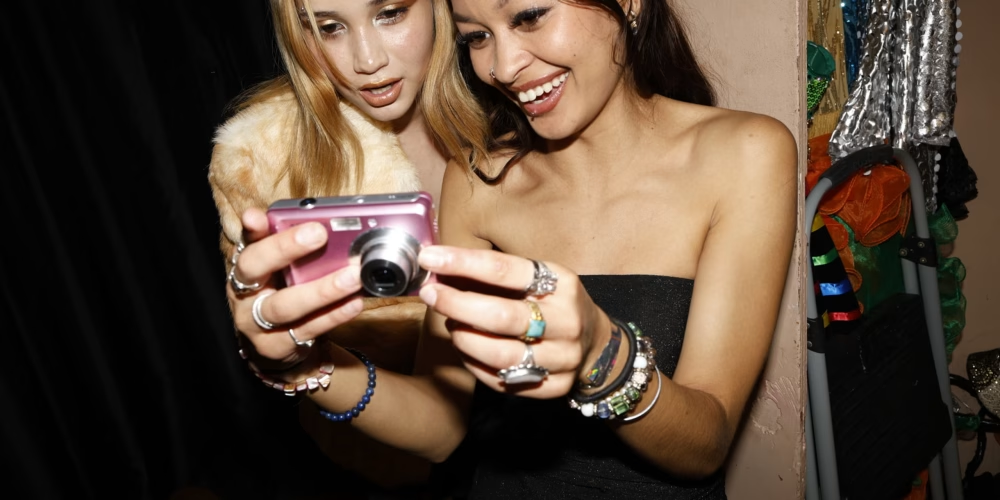
A surprising trend is emerging: younger generations — especially teens and people in their twenties — are gravitating back toward old-school devices like flip phones, standalone digital cameras, and even CDs. The revival is driven in part by technology fatigue and a desire to reclaim control from constant connectivity.
Why the Return to Simplicity?
Many younger users feel overwhelmed by the endless demands of smartphones — from social media, notifications, to information overload. Turning to retro gadgets offers a kind of escape. One teen remarked that using a flip phone “feels like a boundary” against the constant pull of screens.
Flip phones and basic digital cameras allow users to preserve essential functions — calls, texts, pictures — without the distractions built into modern smartphones. Some are using them as secondary devices, carrying them during social outings to avoid temptation.
Market Response & Nostalgia Factor
Manufacturers are taking notice. Some modern flip models now include features like Bluetooth, 4G, and minimal web functionality — enough to stay somewhat modern while preserving the simple aesthetic. Others remain very basic, resisting app integration altogether.
The pull of nostalgia is also strong. For many, flip phones invoke memories of a pre-smartphone era: deliberate, slower, more intentional use of technology. The resurgence is both a signal of resistance and a way to reclaim personal space.
Broader Implications
This revival raises interesting questions:
- Will the trend reshape how we think about device design, privacy, and digital minimalism?
- Could we see renewed demand for electronics companies that focus on less intrusive, more durable tech?
- As new generations see value in offloading, will the smartphone hegemony soften?
For now, the movement remains niche but deeply personal — a reminder that sometimes, progress includes rediscovering what we left behind.









