

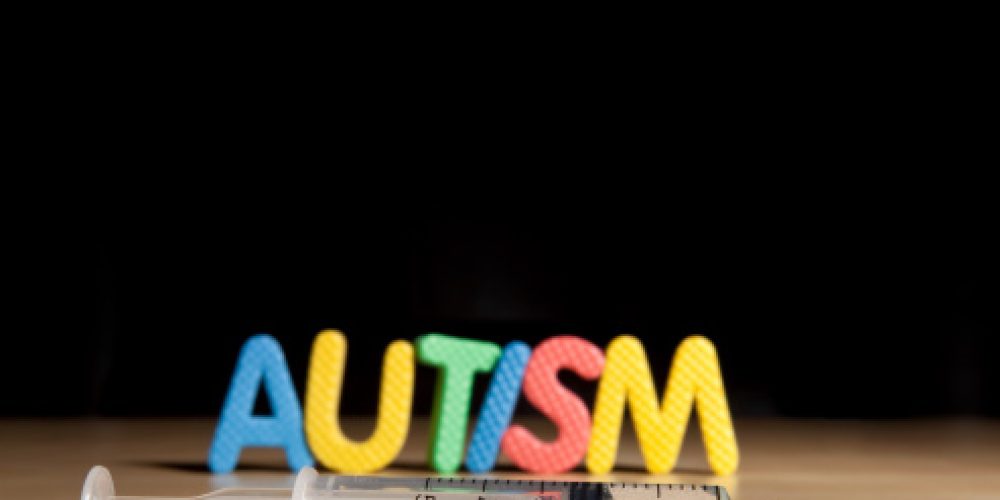
As misinformation continues to circulate online, health experts are once again urging parents to rely on scientific evidence showing that vaccines do not cause autism. The renewed concern follows increased discussions on social media, where old myths have resurfaced and created confusion for families seeking trustworthy information.
Autism spectrum disorder (ASD) is a complex neurodevelopmental condition that affects communication, behavior, and social interaction. Its exact causes remain under study, but decades of research have shown that genetics play a dominant role. Environmental factors may also influence development, but vaccines are not among them. Major health organizations, including the CDC, WHO, and the American Academy of Pediatrics, have repeatedly confirmed that no credible scientific link exists between childhood vaccines and autism.
The myth started in the late 1990s when a now-discredited study falsely claimed a connection between the MMR vaccine and autism. That research was later exposed as fraudulent, and the paper was retracted. Despite clear scientific debunking, the fear it created persists, especially among first-time parents who feel overwhelmed by conflicting information on social platforms.
Read More : Pregnancy COVID Linked to Higher Autism Risk in Young Children, Study Says
Experts note that concerns often peak during vaccine appointments, especially when parents notice behavioral changes in children around the same time. Doctors explain that the typical age when autism signs first appear overlaps with the routine childhood vaccination schedule. This timing leads some families to assume a causal link where none exists.
Pediatric specialists emphasize the importance of communicating early, using simple language, and addressing fears without judgment. Many parents only want reassurance, and open dialogue can help reduce anxiety. Medical professionals recommend discussing a child’s development with a trusted healthcare provider and reviewing evidence-based resources instead of relying on viral posts or anecdotal stories.
The safety of vaccines remains one of the strongest areas of scientific consensus. Each vaccine undergoes extensive testing before approval, followed by continuous monitoring for rare side effects once widely distributed. The rigorous process ensures protection against serious diseases such as measles, polio, whooping cough, and meningitis. Skipping vaccines leaves children vulnerable and increases risks for entire communities, particularly those with weakened immune systems.
Autism itself is not caused by any single event. Researchers have identified numerous genetic markers associated with the condition, and brain development differences likely begin before birth. Studies that tracked millions of children in multiple countries found no difference in autism rates between vaccinated and unvaccinated groups. These findings reinforce the strength and consistency of the scientific evidence.
Parents are encouraged to ask questions, seek clarity, and review information from reliable public health agencies. Doctors also suggest watching for early developmental signs and pursuing evaluation when needed. Timely diagnosis allows children to access beneficial support services earlier, improving long-term outcomes.
With misinformation spreading quickly online, experts stress the need for ongoing public education. Providing accurate, compassionate guidance helps families feel empowered rather than overwhelmed. The central message remains unchanged: vaccines are safe, essential, and not connected to autism.









