

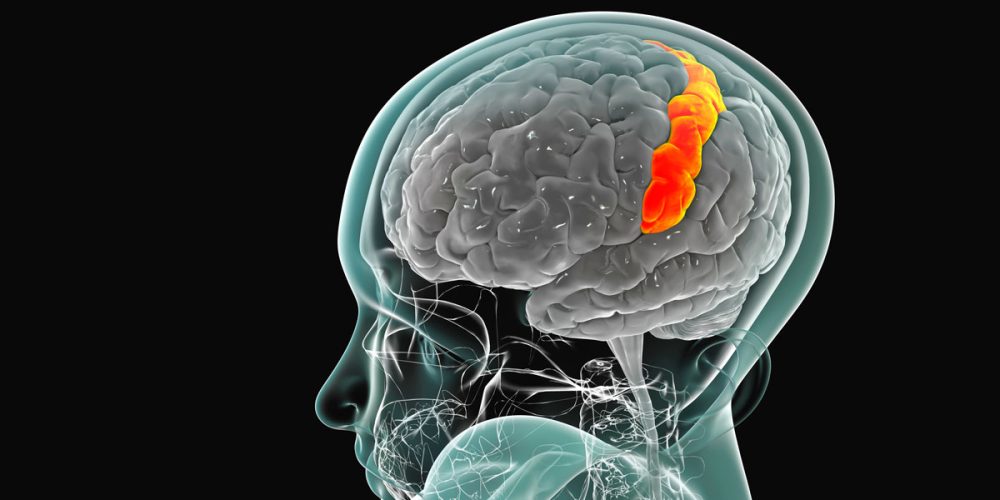
A new study offers fresh insight into how body composition may influence the pace of brain aging. Researchers found that people with higher muscle mass and lower belly fat tend to show healthier brain structure as they grow older. The findings highlight the important connection between physical fitness and long-term cognitive health.
The study examined a large group of adults across different ages and health backgrounds. Participants underwent brain scans and body composition measurements, which helped researchers assess muscle mass, fat distribution, and markers of brain aging. The results revealed a clear pattern: individuals with greater lean muscle and smaller amounts of abdominal fat showed fewer signs of brain decline.
Belly fat, also known as visceral fat, is more harmful than fat in other parts of the body. It surrounds vital organs and produces inflammatory chemicals linked to several chronic diseases. Researchers believe these same inflammatory processes may negatively impact the brain over time. Higher levels of inflammation can damage blood vessels, reduce oxygen flow, and increase the risk of cognitive impairment.
In contrast, muscle mass appears to offer protective benefits. Muscles help regulate metabolism, support better blood circulation, and release hormones that promote overall health. Stronger muscles may also reduce inflammation, which supports healthier brain aging. The study suggests that maintaining muscle strength could help preserve the brain’s structure and potentially delay age-related decline.
The research also found that people with more muscle had greater volume in certain brain regions responsible for memory, learning, and decision-making. Meanwhile, those with higher belly fat showed reduced brain volume and more signs of tissue aging. These patterns remained consistent even after researchers adjusted for lifestyle factors such as smoking, alcohol use, and exercise habits.
Experts say the findings reinforce the importance of regular physical activity, particularly strength training. Building and maintaining muscle may help the brain stay healthier for longer. Activities such as resistance workouts, bodyweight exercises, and weightlifting offer measurable benefits for both physical and cognitive wellness.
At the same time, reducing belly fat through balanced eating and consistent movement can lower inflammation and support healthier brain function. Diets rich in whole foods, fiber, and lean proteins — paired with regular exercise — can help limit visceral fat over time.
While the study highlights a strong link between body composition and brain aging, researchers note that it does not prove direct causation. More studies are needed to understand the biological pathways driving these changes. However, the evidence adds to growing research showing that lifestyle choices can influence how quickly the brain ages.
The findings carry important implications for public health, particularly as populations live longer. Millions of people face increased risks of cognitive decline, dementia, and memory loss as they age. Simple habits such as building muscle and managing belly fat may offer meaningful protection.
Overall, the study underscores a powerful message: taking care of the body can help safeguard the brain. Maintaining muscle strength and reducing abdominal fat may be one of the most effective ways to support healthy aging, both physically and mentally.
More News : New Brain Scan Patterns May Help Predict Alzheimer’s Earlier, Researchers Say









