

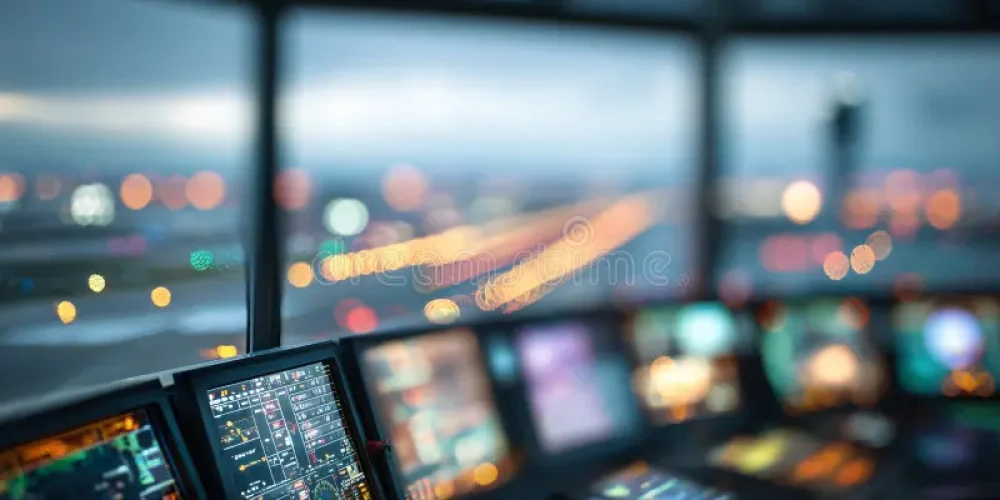
The United States continues to face a severe shortage of air traffic controllers, and the pressure on the aviation system grows each year. Airlines report rising delays, heavier workloads, and mounting operational risks as airports struggle to keep pace with booming travel demand. To address this long-standing gap, industry leaders and government agencies are turning to artificial intelligence as a potential lifeline for the nation’s crowded skies.
The controller shortage is not new. Many experts link the current crisis to long-term hiring delays, strict training requirements, and a wave of retirements. Controllers manage one of the most stressful jobs in transportation, and the qualification process can take years. As travel rebounds at record speed, these challenges create a gap that human staffing alone cannot fill.
AI tools are beginning to help supervisors handle routine tasks, predict traffic flow, and identify safety risks before they escalate. New systems analyze flight paths, weather changes, and runway activity in real time. These programs offer data that controllers can review instantly instead of manually sorting through multiple screens.
Several airports have started testing AI-assisted decision tools during peak travel periods. Developers say these systems help reduce workload by automating low-risk tasks. Controllers still maintain full authority, but the software gives them faster insights and clearer predictions. Early results show promise, with some airports reporting smoother handling of inbound traffic.
The Federal Aviation Administration is exploring AI’s potential role but insists that human controllers remain central to all decisions. Officials emphasize that AI should support staff, not replace them. The agency continues to highlight the importance of training, safety, and regulatory oversight as new technologies enter airspace management.
Pilots and aviation unions share mixed views. Some welcome AI tools that reduce workload and help prevent burnout. Others worry that overreliance on automation might weaken safety if systems fail or malfunction. They argue that human judgment remains essential during emergencies, rapid weather changes, or unexpected aircraft behavior.
AI developers say their goal is to strengthen safety, not compromise it. They design systems that identify patterns humans may miss when working under pressure. For example, AI tools can predict runway congestion minutes before it becomes visible on radar. They can also suggest alternative routing to prevent delays and maintain safe separation between aircraft.
As airports face heavier demand, AI may play a larger role in scheduling and coordination. Some proposals include automated runway assignments, advanced conflict detection, and predictive staffing recommendations. These solutions aim to stabilize the system until human staffing catches up.
The controller shortage may intensify in the coming decade as older staff retire. Without new strategies, the aviation system may struggle with rising delays and operational strain. AI offers an opportunity to strengthen resilience, though it cannot fully solve the shortage on its own.
Industry leaders believe the right balance will combine human expertise with advanced technological support. As travel grows and skies become more crowded, collaboration between technology and human judgment may define the future of safe and efficient air traffic management.
Read More News : Shutdown Threatens Air Travel: US Warns of ‘Mass Chaos,’ Potential Airspace Closures









