

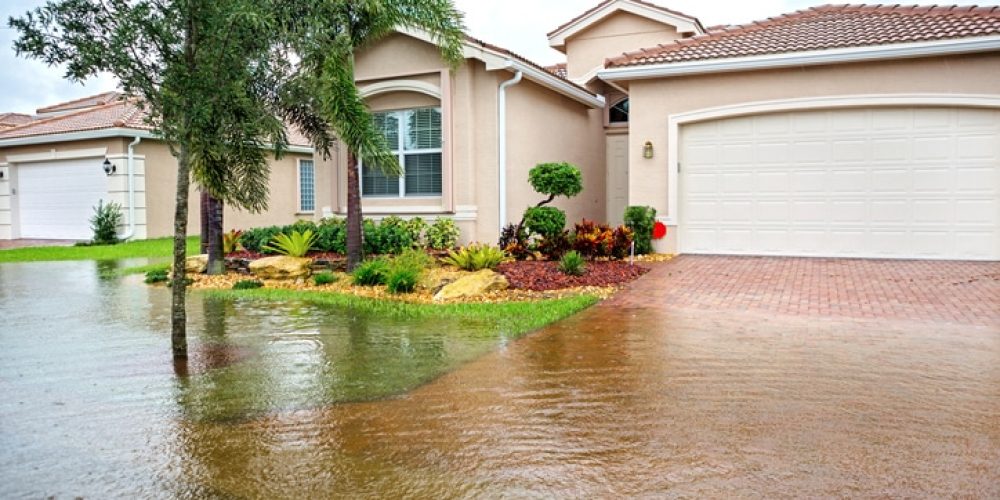
The U.S. housing market faces a massive financial threat as climate change intensifies storms, floods, wildfires, and extreme heat. A new analysis suggests these risks could erase up to $1.5 trillion in property value in the coming years. This potential loss reflects a growing divide between high-risk and low-risk regions, reshaping where Americans want to live and how homes are priced.
Researchers say millions of properties sit in areas vulnerable to flooding, coastal erosion, or worsening wildfire seasons. These climate threats can reduce a home’s market value long before damage occurs because buyers increasingly factor risk into purchase decisions. Many lenders, insurers, and local governments have already raised concerns about the long-term costs of protecting or insuring these communities.
Coastal regions face the greatest exposure. Rising sea levels and more intense storms threaten homes located along the Atlantic and Gulf Coasts. Many of these areas have seen insurance premiums soar or coverage withdrawn entirely. When insurance becomes too expensive or unavailable, homeowners struggle to sell their properties at the same price—or at all.
Inland communities also face growing pressure. Flooding, once seen as a coastal issue, now affects cities along major rivers and even regions without a history of high water. Aging infrastructure has struggled to keep up with heavier rainfall and more frequent storm events. These conditions leave many homeowners questioning the true long-term value of their properties.
Wildfire-prone states like California, Colorado, and parts of the Pacific Northwest face another challenge. Hotter temperatures and prolonged drought have increased fire frequency and intensity. As a result, insurers have raised premiums sharply or pulled out of entire counties. These withdrawals create uncertainty for buyers and limit mortgage approvals, which depend on valid insurance.
Climate-related risks hit lower-income communities hardest. Many of these neighborhoods sit in high-risk flood or heat zones due to decades of uneven development. These homeowners may have fewer resources to invest in protections like elevation, fire-resistant retrofits, or cooling upgrades. If property values fall steeply, some families could lose their primary source of wealth.
Economists warn that widespread climate-related devaluation could ripple through local tax bases. When property values fall, city and county budgets shrink. This means fewer funds for schools, public safety, road repairs, and emergency preparedness—further weakening community resilience. Local governments may eventually face difficult decisions about which areas to protect and which to retreat from.
Experts say the threat is not limited to a distant future. Many communities already see climate-driven market shifts. Some regions show slowing price growth despite strong national demand. Others experience smaller pools of interested buyers or homes lingering longer on the market. These early signs suggest that climate risk is starting to shape real estate behavior in measurable ways.
The analysis urges policymakers to plan for long-term resilience. Investments in stronger infrastructure, flood control, wildfire prevention, and improved building codes could help stabilize values. Researchers also recommend more transparent disclosures so buyers understand the risks before purchasing a home. While climate change will continue reshaping the market, proactive measures can reduce the financial impact for millions of homeowners.
As extreme weather accelerates, the U.S. housing market may face one of its biggest stress tests in decades. Whether communities adapt quickly or face steep value losses depends on how governments, insurers, and residents respond to the growing climate threat.
Read More News: Zillow Faces Growing Antitrust Pressure as Real Estate Shake-Up Reshapes the Industry









