

KEY POINTS
- Global interest in Greenland has spiked following renewed political discussions regarding the island’s strategic international status.
- Three major new international airports are currently opening to facilitate direct flights from Europe and North America.
- Local officials are balancing an influx of luxury travelers with the need to protect fragile Arctic ecosystems and indigenous culture.
Greenland is currently experiencing a monumental shift in its global profile. For decades, the world’s largest island remained a niche destination for extreme adventurers. Today, it is rapidly becoming a high-interest hotspot for mainstream luxury travelers and political observers alike.
This sudden rise in popularity stems from a unique mix of geopolitical headlines and infrastructure upgrades. Recent political statements regarding the island’s relationship with the United States have put Greenland in the news. These discussions have sparked intense curiosity among travelers who previously knew little about the territory.
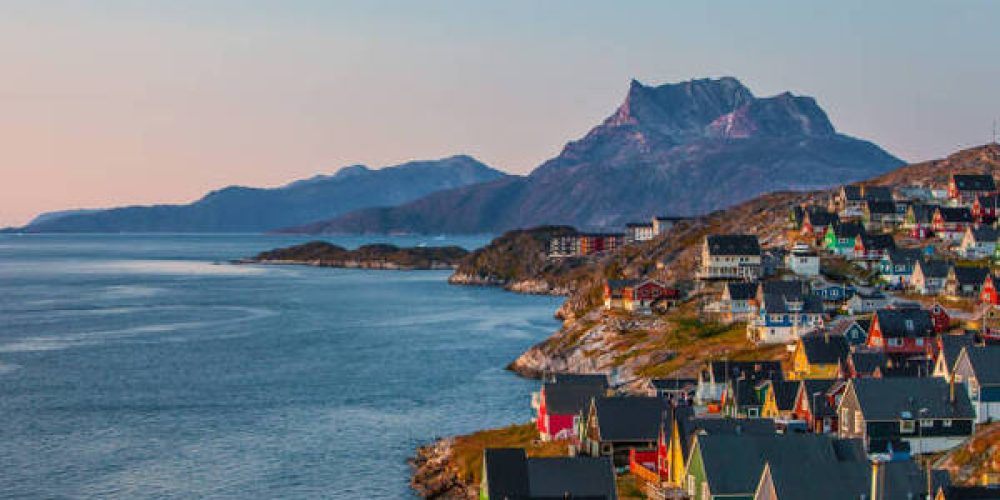
Beyond the headlines, the physical way people visit the island is changing forever. The Greenlandic government is finishing a massive project to build three international airports. These facilities will allow large jets to land directly in the capital, Nuuk, and the tourist hub of Ilulissat.
Previously, visitors had to take small propeller planes from Iceland or Denmark. This made travel expensive and time-consuming. Direct flights from major hubs like New York and London will soon be a reality. This accessibility is expected to double the current number of annual visitors.
The local tourism board is working hard to manage this transition responsibly. They want to avoid the “overtourism” issues seen in neighboring Iceland. Officials are focusing on high-value, low-impact travel. This strategy targets visitors who stay longer and spend more at local businesses.
New high-end accommodations are appearing across the rugged landscape. Boutique hotels and luxury lodges now offer comfort in the middle of the wilderness. These sites provide front-row seats to the northern lights and massive calving glaciers. Such developments reflect a shift toward “last-chance tourism” as travelers seek to see the melting ice sheets.
However, the rapid growth brings significant challenges for small communities. Greenland has a tiny population of only 56,000 people. Integrating thousands of tourists into remote villages requires careful planning. Residents worry about the impact on traditional hunting grounds and their quiet way of life.
Environmental protection remains a top priority for the autonomous government. The Arctic environment is extremely sensitive to human footprints. New regulations aim to limit waste and carbon emissions from cruise ships and aviation.
Greenland stands at a historic crossroads between isolation and global integration. Its stunning fjords and icebergs are no longer out of reach for the average traveler. The world is watching to see if this Arctic nation can thrive under the global spotlight.









