

KEY POINTS
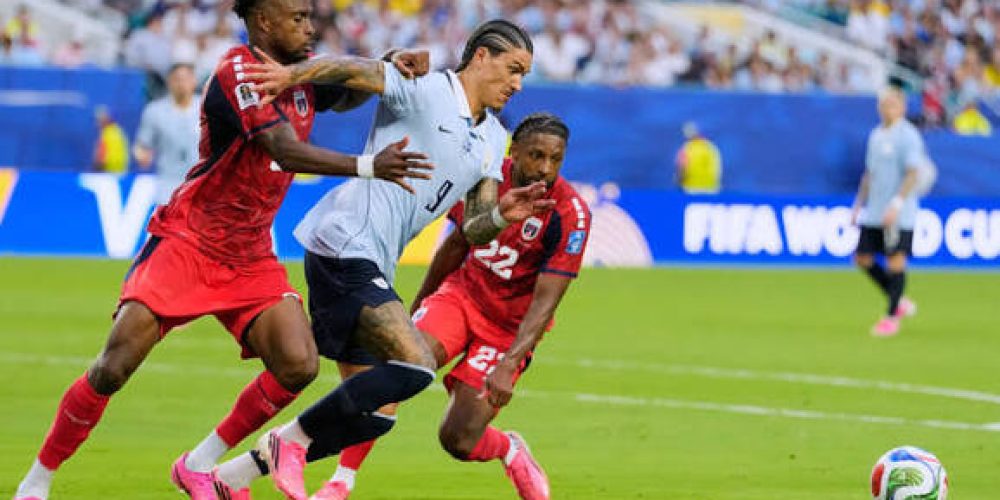
- Cape Verde secured a dramatic 2-2 draw against heavy favorites Uruguay during a highly competitive Group H match in Florida.
- The Blue Sharks twice took the lead through clinical counter-attacks before a late Uruguayan equalizer shared the points.
- This unexpected result severely complicates the qualification pathway for the South American giants ahead of the final group stage fixtures.
An underdog story captured the attention of the soccer world in Florida as Cape Verde fought to a magnificent stalemate against global powerhouse Uruguay. The fiercely contested battle featured spectacular tactical discipline from the African island nation, frustrating their highly favored opponents throughout ninety minutes of intense action. The result completely disrupts expectations for the tournament’s knockout picture moving forward.
What You Need to Know
Entering the tournament, Uruguay carried the expectations of a deep championship run, anchored by world-class attacking talent and a wealthy history of international success. The South American side was widely predicted to comfortably dominate Group H, viewing their opening fixtures as a prime opportunity to build early momentum and goal differential. Their tactical system relies on aggressive pressing and rapid transitions, a formula that has historically overwhelmed smaller soccer federations.
In stark contrast, Cape Verde qualified for the global stage representing an island nation of just over half a million residents. Known affectionately as the Blue Sharks, the squad features a mixture of domestic players and individuals competing in European secondary leagues. Lacking the multi-million dollar star power of their opponents, the team’s preparation focused heavily on defensive organization, physical resilience, and exploiting specific set-piece vulnerabilities.
The venue itself added another layer of intrigue to the encounter, with the Hard Rock Stadium in Miami playing host to a massive contingent of South American expatriates. The stadium atmosphere was electric, heavily favoring the traditional footballing giants from the opening whistle. However, the unique coastal conditions and humid Florida evening played directly into the hands of the incredibly fit and disciplined Cape Verdean side.
Tactical Brilliance Ignites Hard Rock Stadium
The match commenced with Uruguay immediately attempting to dictate the tempo, monopolizing possession and probing the edges of Cape Verde’s low defensive block. The favorite’s strategy backfired spectacularly in the 24th minute when a loose pass in midfield triggered a devastating counter-attack. Garry Rodrigues capitalized on the space, slicing through the Uruguayan defense before delivering a precise strike into the lower corner to shock the stadium and give Cape Verde an early advantage.
Uruguay responded with furious attacking pressure, eventually equalizing just before the halftime whistle through a powerful header from Darwin Núñez. The goal was expected to break the spirit of the underdogs, setting the stage for a predictable second-half onslaught by the South Americans. Yet, the tactical discipline of the African side remained entirely unbroken as they returned from the locker room with identical defensive resolve.
The drama escalated further in the 72nd minute when Cape Verde shocked the audience once again. Following a brilliantly executed corner kick routine, Ryan Mendes found himself unmarked at the far post, calmly redirecting the ball past the stranded goalkeeper to restore the underdog’s lead. Uruguay threw every available player forward in a desperate bid to rescue a point, finally securing a 2-2 draw in the 88th minute when Federico Valverde scored from long range, though the final whistle felt like a definitive victory for Cape Verde.
Why This Matters
For soccer enthusiasts and general sports audiences across the United States, this spectacular display highlights the rapidly shrinking gap between traditional soccer superpowers and developing football nations. The thrilling atmosphere in Miami showcases how international sporting events can unite diverse cultural communities within major American metropolitan areas, generating immense civic pride and commercial success. These unpredictable outcomes are exactly what drive prime-time television viewership and fan engagement across the country.
Additionally, the result demonstrates the immense value of tactical organization over raw financial market value in modern sports infrastructure. For American sports executives, corporate sponsors, and franchise owners, the match serves as a case study in team building and strategic execution under heavy pressure. The ability of a small nation to stand toe-to-toe with an international giant validates the global expansion of the tournament format to include a wider array of diverse global competitors.
NCN Analysis
This historic draw could fundamentally transform the long-term outlook for the Cape Verdean football federation on the international stage. By proving they can successfully execute a defensive game plan against elite South American attackers, the Blue Sharks have established a blueprint that future opponents will deeply fear. The mental fortitude required to twice hold a lead against a former world champion suggests this squad possesses the psychological maturity necessary to navigate high-stakes knockout tournament environments.
Conversely, Uruguay now faces a highly critical period of internal reflection and media scrutiny regarding their defensive vulnerabilities during transition phases. Their inability to contain isolated counter-attacks raises serious red flags about their tactical architecture when facing disciplined, low-block structures. As the group stage reaches its dramatic conclusion, the South American giants have left themselves with zero margin for error in their final match, turning their next fixture into an absolute must-win scenario to avoid a catastrophic early exit.
The stunning tactical display in Miami serves as a vivid reminder that reputation alone guarantees absolutely nothing when the whistle blows on the global stage.
Reported by the NCN Editorial Team









