

KEY POINTS
- Melbourne’s iconic Federation Square will return as a live site for the 2026 World Cup after a government funding rescue.
- The decision reverses a previous move to cancel the screenings due to soaring logistics and security expenses.
- Authorities are prioritizing public safety with new crowd management protocols for the high-energy events.
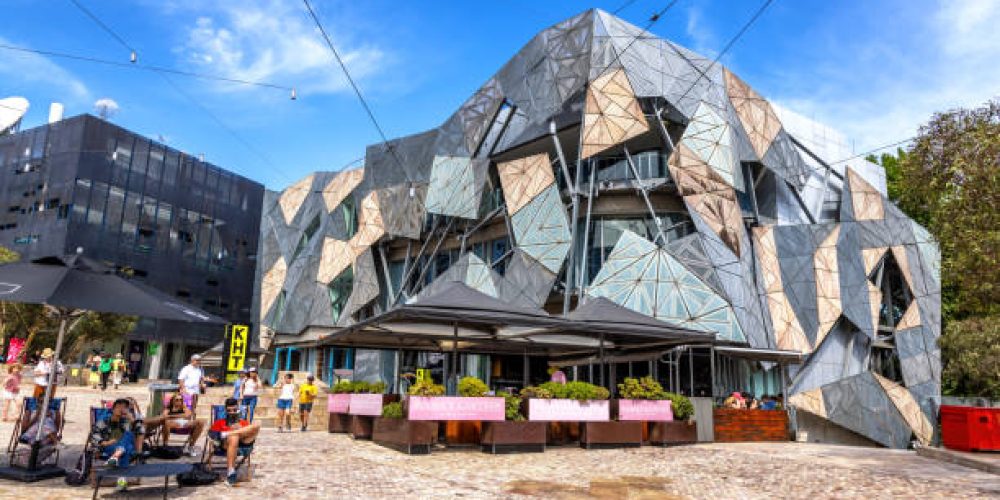
In a major win for international soccer culture, Melbourne’s Federation Square has been officially reinstated as a primary public viewing hub for the 2026 FIFA World Cup. State government officials stepped in to provide the necessary financial backing to ensure that the city’s most famous plaza can host thousands of fans for the tournament’s live broadcasts. This rescue package comes after local organizers initially feared they would have to pull the plug on the tradition due to the massive costs of securing and managing such a high-profile site.
What You Need to Know
The history of Federation Square as a global sports phenomenon reached its peak during the 2022 World Cup in Qatar. Images of thousands of Australian fans celebrating under the glow of giant screens became viral sensations, showcasing a level of passion that surprised many outside of the soccer world. However, that success brought significant growing pains, as the infrastructure required to host such massive, high-adrenaline crowds pushed the limits of the square’s capacity and the city’s budget.
For the 2026 tournament, which is being held across the United States, Canada, and Mexico, the logistics are even more complex. Because of the time difference, many of the most critical matches will kick off in the early hours of the morning for Australian viewers. Providing a safe, supervised, and well-lit environment for fans at 4:00 AM requires a massive investment in emergency services and public transport that local municipal budgets simply could not cover on their own.
The intervention by the Victorian state government is a recognition of the square’s status as a “people’s site”. By funding the 2026 World Cup screenings, officials are betting that the cultural value and the secondary economic boost to the city’s 24-hour economy will outweigh the immediate price tag of the security operations. It ensures that the tournament remains accessible to those who cannot afford home streaming subscriptions or who prefer the communal energy of a stadium-like atmosphere.
Secure Infrastructure for Fan Zone Success
The primary focus for the 2026 rollout is a significant overhaul of how fans enter and exit the plaza. Lessons learned from previous years—specifically regarding the use of prohibited items like flares—have led to a new strategy involving more sophisticated perimeter controls. While the goal is to keep the energy high, the city is implementing a more structured approach to entry that will likely include bag checks and pre-defined capacity limits to prevent the overcrowding that has occurred during past “limbs” celebrations.
Technological upgrades are also a core part of the new plan. The square’s existing visual hardware is being supplemented with higher-resolution displays that can maintain clarity during the harsh Australian sun. Since many games will be played during the North American evening, they will coincide with the Australian day and morning, making daylight visibility a critical factor for the fan experience. These screens will be the centerpieces of a broader festival environment that includes international food vendors and family-friendly activation zones.
Furthermore, the state’s involvement ensures a higher level of coordination with public transit authorities. For a city like Melbourne, which prides itself on its tram network, the success of a 4:00 AM screening hinges on whether fans can actually get to and from the CBD safely. Part of the government’s commitment involves syncing the match schedules with extended train and tram hours, effectively turning the World Cup into a month-long 24-hour event for the city’s infrastructure.
Why This Matters
For American readers and global travelers, the revival of the Melbourne fan zone matters because it reinforces the World Cup as the ultimate global social equalizer. It demonstrates that the demand for soccer is so high that governments are willing to subsidize the fan experience to prevent social exclusion. For those planning to visit Australia during the tournament, Federation Square offers a “home away from home” where they can watch their own national teams alongside a diverse, international crowd without the high cost of stadium tickets or bar tabs.
Globally, this sets a high bar for how cities manage public space during massive sporting events. It moves away from the “user pays” model and toward a state-supported cultural model. This is particularly important for the 2026 tournament, as it marks the first time the event will feature 48 teams. The increased number of matches means more opportunities for public engagement, and Melbourne’s proactive stance could serve as a blueprint for other global cities trying to balance the costs of public safety with the desire to foster a vibrant, festive atmosphere.
NCN Analysis
The move to fund World Cup screenings at Federation Square is as much about politics and urban planning as it is about sports. Following the shift toward remote work, many city centers have struggled to regain their pre-pandemic vibrancy. By anchoring a major international event in the heart of the CBD, the government is essentially using the World Cup as an economic stimulus tool to drive people back into the city’s cafes, restaurants, and hotels.
What readers should watch for next is the specific breakdown of the “anti-social behavior” policies. There is a fine line between a passionate soccer crowd and one that becomes a liability. If the security measures are too restrictive, the square might lose the very “soul” that made it famous in 2022. However, if they are too lax, the government risks a public relations backlash. The success of the 2026 site will be the ultimate test of whether a city can successfully manufacture the kind of organic, chaotic joy that previously made Melbourne the talk of the sporting world.
The reinstatement of Federation Square as a live site ensures that Melbourne will remain the epicenter of Australian soccer passion during the 2026 World Cup.
Reported by the NCN Editorial Team









