

KEY POINTS
- North Macedonia is seeing a surge in international interest as travelers seek affordable, crowd-free alternatives to traditional Mediterranean hotspots.
- The nation’s unique blend of Ottoman history, Balkan traditions, and pristine natural landscapes offers a high-value experience for global tourists.
- New infrastructure projects and expanded flight routes are making the landlocked country more accessible to American and Western European visitors.
A new frontier in European tourism is opening up as North Macedonia transitions from a hidden gem to a primary destination for savvy international travelers. Positioned in the heart of the Balkan Peninsula, this landlocked nation is currently experiencing a tactical shift in its travel profile, moving away from niche backpacker interest toward mainstream appeal. For Americans looking to escape the skyrocketing prices and overwhelming crowds of Western Europe, this region offers a rare combination of deep history and untouched wilderness.
What You Need to Know
For much of the last few decades, North Macedonia remained in the shadow of its more famous neighbors, Greece and Bulgaria. However, the 2019 resolution of a long-standing naming dispute with Greece has acted as a catalyst for renewed diplomatic and economic energy, including a push to modernize its tourism sector. The country is defined by its complex cultural layers, having been a crossroads for the Roman, Byzantine, and Ottoman Empires, all of which have left an indelible mark on its architecture, language, and cuisine.
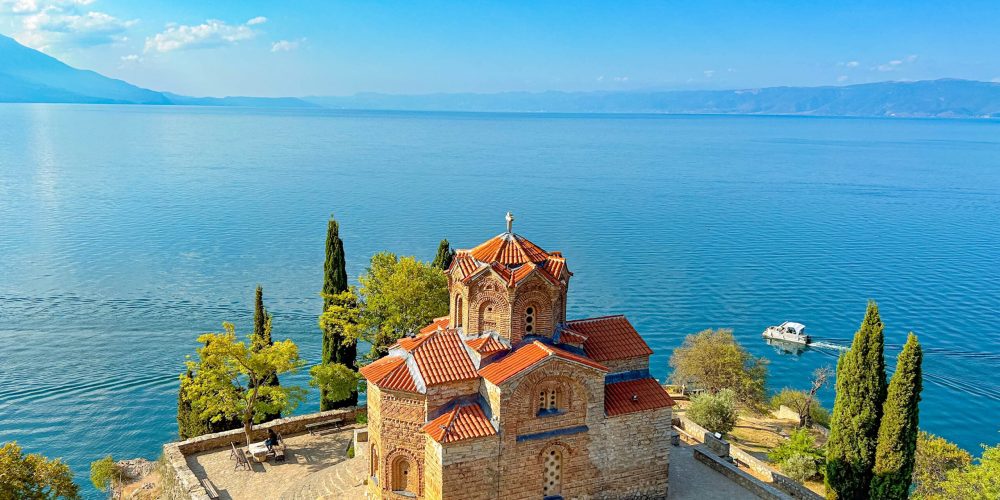
The crown jewel of the country’s geography is Lake Ohrid, one of the oldest and deepest lakes in Europe. Often referred to as the “Jerusalem of the Balkans” due to its historical concentration of 365 churches, the Ohrid region is a dual UNESCO World Heritage site recognized for both its natural beauty and its cultural significance. Beyond the water, the country is dominated by rugged mountain ranges, such as the Mavrovo and Šar Mountains, which provide year-round opportunities for hiking and skiing.
Crucially, the country remains one of the most budget-friendly destinations on the continent. While cities like Paris and Rome have seen hotel and dining costs soar by 30% or more in recent years, North Macedonia continues to offer premium experiences—from boutique stays in historic manors to world-class wine tours—at a fraction of the cost found in the Eurozone. This value proposition is driving a new wave of “slow travel” where visitors stay longer and explore deeper.
Exploring the Balkan Heart: From Skopje to the Peaks
The journey for most visitors begins in the capital, Skopje, a city that defies easy classification. Following a massive urban renewal project, the city center is a surreal collection of neoclassical buildings and massive bronze statues. Yet, just across the Vardar River lies the Old Bazaar, the largest in the Balkans outside of Istanbul. This district remains the pulse of the city, where narrow cobblestone streets are lined with traditional teahouses, gold smiths, and shops selling artisan leather goods, maintaining an atmosphere that has changed little since the 15th century.
Traveling south, the landscape shifts toward the dramatic peaks of Pelister National Park and the rolling vineyards of the Tikveš wine region. North Macedonia’s viticulture is a burgeoning industry, with local varieties like Vranec gaining international acclaim among oenophiles. High-end wineries are increasingly offering “stay-and-sip” packages, allowing travelers to immerse themselves in the rural rhythm of the country while enjoying modern amenities. This focus on agritourism is a key pillar of the government’s strategy to distribute tourism revenue into rural communities.
Adventure tourism is also seeing a significant uptick in North Macedonia. The country’s commitment to preserving its biodiversity has made it a haven for eco-conscious travelers. Recent initiatives have improved trail markings and mountain hut facilities in the “High Scardus Trail,” a trans-border hiking route that connects North Macedonia with Albania and Kosovo. For those seeking adrenaline, the thermal winds over Lake Ohrid have established the area as a premiere paragliding hub in Eastern Europe, attracting professional and amateur flyers alike.
The timeline for North Macedonia’s rise is accelerating. With the introduction of several low-cost carrier routes connecting Skopje and Ohrid to major European hubs like Berlin, London, and Malmö, the “friction” of travel has significantly decreased. Furthermore, the expansion of high-speed internet and the rise of digital nomad hubs in the lakeside towns are attracting a younger, tech-savvy demographic that is documenting the country’s charms for a global social media audience.
Why This Matters
For American travelers, the rise of North Macedonia represents a broadening of the “European Summer” map. As traditional destinations implement entry fees, tourist taxes, and strict limits on visitor numbers to combat over-tourism, North Macedonia stands as a welcoming alternative that actively encourages exploration. It offers a chance to see a part of Europe that hasn’t been “sanitized” for mass tourism, providing a sense of discovery that is increasingly difficult to find in more established markets.
Beyond personal travel, the growth of this sector is a vital component of regional stability and economic development. For global readers, the success of North Macedonian tourism is a litmus test for how emerging markets can leverage their cultural heritage to build a sustainable middle-class economy. As the country moves closer to European Union integration, its ability to manage this influx of visitors while preserving its local identity will be a story watched closely by urban planners and conservationists worldwide.
NCN Analysis
The window to see North Macedonia in its “undiscovered” state is closing. As the secret gets out, we expect to see a rapid professionalization of the hospitality sector, which will likely bring higher prices and more standardized experiences. However, for the next two to three years, the country will remain in a “sweet spot” where infrastructure is modern enough for comfort but local life remains authentic and accessible.
We recommend that travelers look beyond the peak summer months. North Macedonia is a stunning autumn destination, particularly during the grape harvest in Tikveš or the foliage changes in Mavrovo National Park. As climate change makes Southern Europe increasingly hot during July and August, the cooler mountain altitudes of the Balkans will become an even more attractive refuge for those seeking active outdoor holidays. Watch for new direct flight announcements from more Western European capitals in late 2026, which will likely signal the final transition of the country into the European tourism mainstream.
North Macedonia offers a rare opportunity to witness the crossroads of history without the barrier of velvet ropes or tourist queues.
Reported by the NCN Editorial Team









