

KEY POINTS
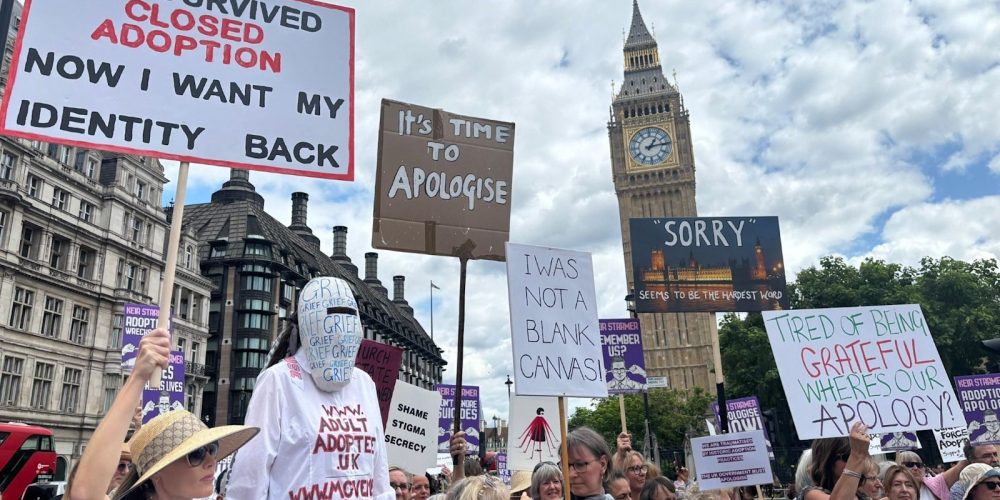
- A cross-party group of MPs called for a formal state apology to mothers affected by forced adoptions.
- These historical policies targeted unmarried women between the 1950s and 1970s across the United Kingdom.
- The parliamentary report highlights long-lasting psychological trauma for both the biological mothers and their children.
A group of influential British lawmakers has issued a formal demand for a national apology. This request addresses the systematic forced adoption of babies born to unmarried women in past decades. These practices primarily occurred between the mid-twentieth century and the late 1970s.
The Joint Committee on Human Rights released a comprehensive report detailing the scale of the issue. Estimates suggest that hundreds of thousands of mothers lost their children during this period. Local authorities and religious organizations often pressured women into giving up their newborns.
Society at the time viewed pregnancy outside of marriage as a significant moral failing. This cultural stigma allowed institutions to coerce vulnerable women into signing adoption papers. Many women reported that they did not understand the permanent nature of these legal documents.
Lawmakers argue that the British government bears ultimate responsibility for these historical human rights violations. They believe a formal apology from the Prime Minister is a necessary step toward healing. Similar apologies have already been issued in Australia and Ireland for similar historical practices.
The report emphasizes that the trauma of these forced separations remains intense for many survivors. Biological mothers described decades of grief, shame, and a lack of support from the state. Many adopted children also expressed a deep desire for the government to acknowledge their personal history.
Witnesses told the committee about the harsh conditions they faced in mother and baby homes. Some women reported being denied adequate medical care or basic respect during the labor process. These experiences left deep emotional scars that have persisted for over half a century.
In addition to a formal apology, the committee suggested improving access to historical adoption records. Many families still face significant legal hurdles when trying to reconnect with their biological relatives. Improved support services could help bridge these gaps and facilitate long-awaited reunions.
The UK government has previously expressed sympathy for the families affected by these past policies. However, officials have stopped short of issuing the formal state apology requested by the committee. Lawmakers insist that sympathy alone is insufficient to address the gravity of the situation.
Public awareness of forced adoption has grown recently due to various documentaries and survivor testimonies. Campaigners argue that the window for a meaningful apology is closing as the affected generation ages. They hope this latest parliamentary intervention will finally prompt a decisive government response.
The committee’s findings serve as a stark reminder of how institutional policies can impact human rights. By acknowledging these past wrongs, the government can demonstrate its commitment to protecting vulnerable citizens today. The ball is now in the court of cabinet ministers to respond to these urgent findings.









