

KEY POINTS
- A dramatic shift from record-breaking warmth to wintry conditions will affect millions across the United States this week.
- Meteorologists warn of a powerful cold front bringing rain, snow, and a sharp drop in temperatures following an unusually mild start to the season.
- The sudden transition increases the risk of travel disruptions and potential damage to early-blooming vegetation in several states.
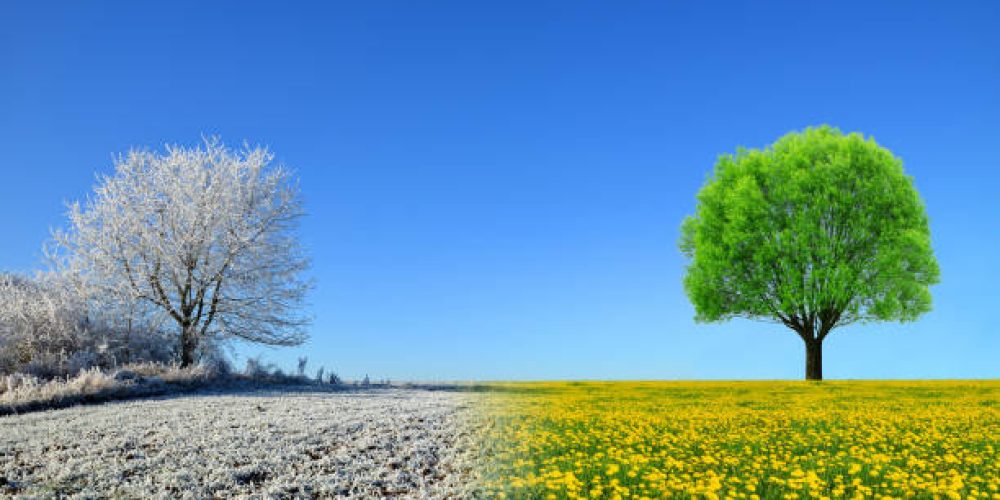
The first official days of spring are bringing a volatile weather pattern to the Northeast and Midwest, characterized by what experts call weather whiplash. After a period of unseasonably warm air that saw temperatures climbing well above historical averages, a massive cold front is moving across the central and eastern portions of the country. This shift is expected to plummet temperatures by as much as thirty degrees in less than twenty-four hours, catching many residents and local businesses off guard. The contrast between the departing warmth and the incoming Arctic air is creating a complex atmospheric setup that will likely result in a variety of precipitation types.
In the Midwest, the transition began with rain and thunderstorms as the leading edge of the cold air collided with the existing warm moisture. As the system progresses, the rain is expected to turn into snow in northern regions, including parts of the Great Lakes. Significant accumulations are possible in higher elevations and northern corridors, which could lead to hazardous driving conditions during the morning and evening commutes. Local authorities are advising motorists to remain cautious, as roads that were dry and warm just a day prior could quickly become slick and icy.
The Northeast is also preparing for a significant reality check as the cold front arrives. Many cities that enjoyed spring-like sunshine recently will see daytime highs struggle to reach typical late-March levels. This sudden freeze is particularly concerning for the agricultural sector and home gardeners. Because the recent warmth encouraged many plants and trees to begin their budding process early, a hard freeze could result in widespread damage to crops and ornamental flowers. Farmers are currently monitoring local forecasts closely to determine if protective measures are necessary to save this season’s early growth.
Beyond the immediate temperature drop, the system is accompanied by gusty winds that will make the air feel even colder than the actual thermometer reading. These winds, combined with the potential for heavy bursts of snow or rain, could lead to localized power outages if weakened tree limbs succumb to the pressure. Utility companies in the affected regions have already begun staging crews to respond to any infrastructure damage. While spring snowstorms are not uncommon in these latitudes, the intensity of this specific temperature swing makes it a notable event for the 2026 season.
Meteorologists suggest that this pattern of rapid fluctuations may continue for the next several weeks as the atmosphere struggles to find a balance between winter and summer influences. While a return to milder weather is predicted for the following weekend, the current “whiplash” serves as a reminder of the unpredictability of the shoulder seasons. Residents are encouraged to keep their winter gear accessible despite the calendar indicating the start of spring. Monitoring updated local alerts will be essential as the precise track of the coldest air and heaviest precipitation continues to evolve over the next forty-eight hours.









