

KEY POINTS
- The wind-driven Qury Fire southeast of Custer has rapidly expanded to over 5,000 acres since igniting on Thursday.
- Emergency officials have issued mandatory evacuation orders for several communities and closed Custer State Park to the public.
- National Guard air assets and a Type 3 Incident Management Team are leading the suppression efforts as dry conditions persist.
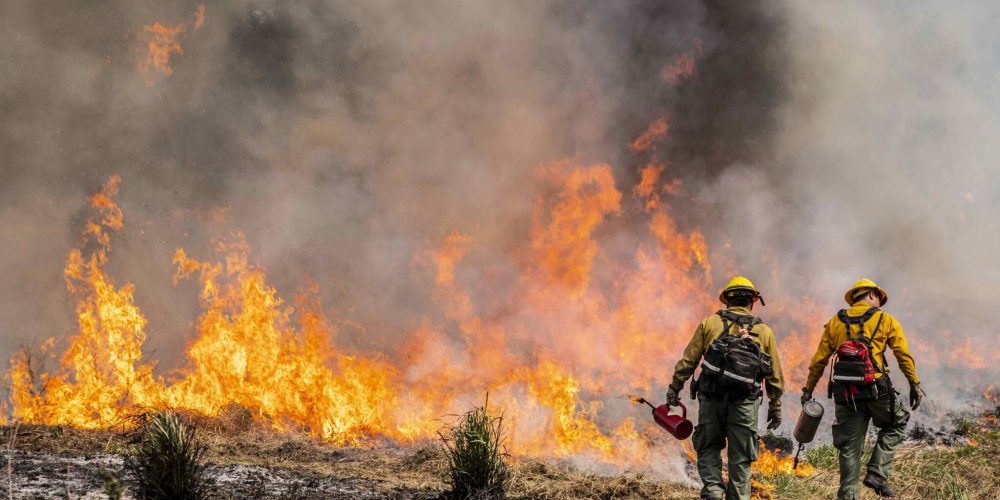
Emergency response teams in western South Dakota are battling a series of fast-moving wildfires that have forced hundreds of residents to flee their homes. The most significant of these, now officially named the Qury Fire, emerged from the merger of two separate blazes that began on Thursday afternoon. Driven by extreme wind gusts and an unusually dry landscape, the fire quickly pushed east away from the city of Custer, consuming thousands of acres of timber and grassland within its first 24 hours.
State and federal agencies have mobilized a massive response to contain the inferno. A Type 3 Incident Management Team is now on the ground, coordinating the efforts of dozens of fire engines, specialized ground crews, and heavy machinery. While strong winds initially hindered aerial operations, the South Dakota National Guard has been cleared to provide air support, utilizing helicopters for targeted water drops in areas that are difficult for ground crews to reach.
The impact on local residents has been immediate and severe. The Custer County Sheriff’s Office has enacted mandatory evacuations for neighborhoods located between Highway 16-A and several key rural roads. To assist those displaced by the flames, authorities have opened the Custer Armory as a primary emergency shelter. Local officials are urging residents not to wait for a knock on the door but to be proactive in following safety alerts, as the fire’s behavior remains unpredictable due to shifting environmental factors.
Public safety concerns have also led to widespread closures of popular outdoor areas and critical infrastructure. Custer State Park, a major regional landmark, is currently closed to all visitors to allow emergency vehicles unimpeded access to the fire lines. Several major roadways, including sections of Highway 87, are under hard closures. Motorists are being warned to avoid these areas entirely, as low visibility from thick smoke and the presence of heavy equipment create hazardous driving conditions.
While firefighting crews have focused heavily on structure protection to save homes and businesses, zero containment has been reported as of Saturday morning. Incident commanders noted that while wind speeds have moderated slightly since the initial outbreak, the high relative humidity needed to slow the fire’s progress has not yet materialized. Firefighters are utilizing bulldozers to create fire breaks, hoping to leverage existing roads as natural barriers to halt the eastward advance of the flames.
The environmental conditions leading up to this outbreak have been described by meteorologists as a “snow drought.” A lack of winter precipitation followed by a period of unseasonably warm and dry weather has left vegetation across the Black Hills highly susceptible to ignition. These critical fire weather conditions were flagged by the National Weather Service earlier in the week, leading to the issuance of Red Flag Warnings across much of the region just before the fires began.
As the battle continues, local leaders are emphasizing the importance of community cooperation. The Custer County Commission has moved to implement a countywide burn ban to prevent any new accidental starts while resources are stretched thin. Residents in neighboring areas are encouraged to maintain a high state of vigilance and to keep “go bags” ready in case the evacuation zone expands. The unified command structure remains focused on the twin goals of life safety and securing the perimeter of the blaze before weather conditions shift again.









