

KEY POINTS
- Israel and U.S. forces launched fresh airstrikes against multiple regional targets on Wednesday.
- Iranian authorities intensified a domestic crackdown to silence growing internal opposition to the war.
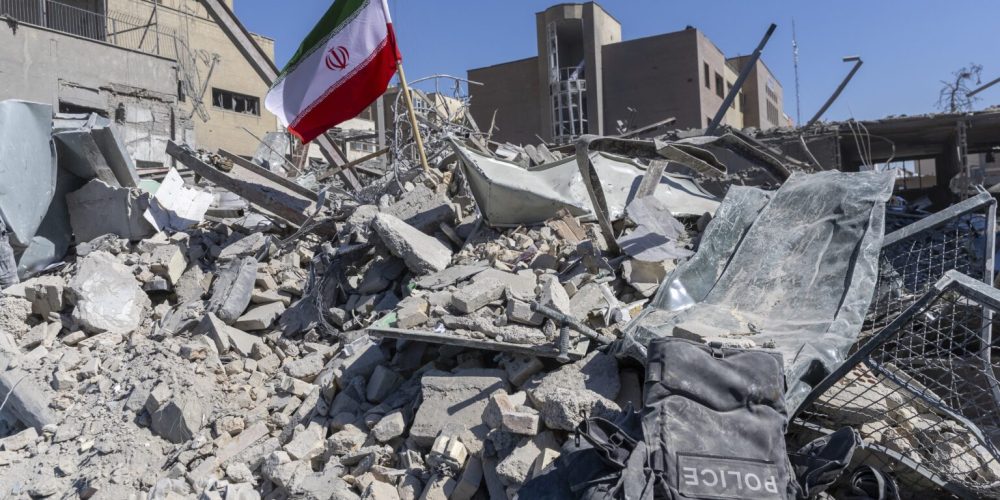
- The ongoing military exchange has caused significant damage to infrastructure across several nations.
The conflict across the Middle East intensified on Wednesday as combatants exchanged a new series of heavy aerial bombardments. Israeli aircraft and United States forces targeted several strategic locations to degrade the capabilities of regional militias. These strikes hit various installations across multiple countries, marking a significant escalation in the week-long war. Military officials stated the operations aim to eliminate threats to international shipping and regional stability.
While the external battle rages, the Iranian government is facing a surge of domestic pressure. Authorities in Tehran launched a major effort to suppress dissent as citizens express concern over the mounting costs of the conflict. Security forces have deployed across major cities to prevent large-scale protests against the current administration’s policies. Reports indicate that the government is utilizing aggressive tactics to maintain control over the civilian population.
The air campaign has resulted in extensive destruction of military and logistical hubs. Explosions were reported near major urban centers throughout the morning and afternoon hours. Both sides claim to have achieved significant tactical objectives during the latest round of fighting. However, the continuous strikes have also disrupted essential services and displaced thousands of people from their homes.
International diplomatic efforts to secure a ceasefire have so far failed to produce results. Leaders from various global powers continue to call for an immediate end to the violence to prevent a wider catastrophe. The United States maintains that its military actions are necessary for self-defense and the protection of global commerce. Meanwhile, regional actors argue that the strikes represent a violation of national sovereignty and international law.
The internal situation in Iran remains particularly volatile as the war enters a critical phase. Economic sanctions and the direct impact of the fighting have fueled public frustration. Many Iranians are questioning the long-term benefits of the current military strategy pursued by their leaders. The government responded by restricting internet access and increasing the presence of paramilitary units in public squares.
Energy markets have reacted sharply to the news of the expanded air strikes and internal Iranian instability. Global oil prices fluctuated as investors assessed the risk of a prolonged disruption to Middle Eastern supplies. Analysts warn that the dual threat of regional war and domestic unrest could lead to unprecedented economic consequences. Major shipping companies continue to divert vessels away from the primary conflict zones to ensure crew safety.
The humanitarian situation is deteriorating rapidly as the reach of the airstrikes expands. Medical facilities in the affected regions report a growing number of casualties and a shortage of critical supplies. Aid organizations are struggling to deliver help to those in need due to the ongoing hostilities. There is an urgent need for humanitarian corridors to allow for the safe passage of civilians and essential goods.
The coming days are expected to be pivotal for the future of the region. Military commanders on all sides have indicated their readiness to continue operations as long as necessary. The international community remains on high alert as the risk of a total regional collapse grows. Further developments regarding the strikes and the internal situation in Iran are expected to emerge shortly.









