

KEY POINTS
- Sources indicate that as many as 150 U.S. service members have been injured since the start of the war.
- The casualties stem from a mix of retaliatory missile strikes, drone attacks, and shrapnel injuries.
- U.S. Central Command (CENTCOM) has confirmed several deaths but notes the situation remains fluid as operations intensify.
Internal military sources and regional reports suggest that the number of American service members wounded in the current conflict with Iran has reached approximately 150. This figure represents a sharp increase in casualties as the joint U.S.-Israeli military campaign, dubbed “Operation Epic Fury,” enters its second week. The injuries range from minor concussions and shrapnel wounds to life-threatening trauma sustained during high-intensity missile barrages.
The majority of these casualties have occurred at U.S. and partner facilities across the Middle East, including bases in Kuwait, Saudi Arabia, and the United Arab Emirates. Iran has launched a series of “unmanned aircraft system” (drone) attacks and ballistic missile salvos in direct retaliation for the initial strikes on its nuclear and military infrastructure. One of the most significant incidents involved a drone strike on a base in Kuwait on March 1, which resulted in several immediate fatalities and dozens of injuries.
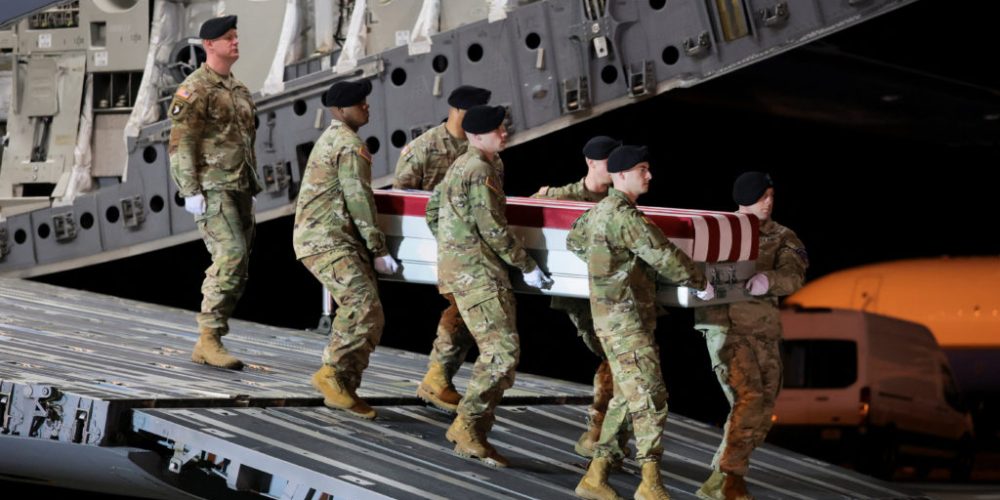
Pentagon officials have been cautious with official totals, often citing the need for next-of-kin notification and ongoing medical evaluations. As of March 10, the U.S. military has formally identified seven service members killed in action. However, the unofficial count of wounded personnel highlights the scale of the Iranian counter-offensive, which has utilized cluster munitions and precision-guided drones to target regional logistics hubs.
Defense Secretary Pete Hegseth addressed the rising toll during a recent press briefing, warning the American public that “there will be more casualties” as the mission proceeds. Hegseth characterized the current operations as essential for neutralizing the Iranian nuclear threat but acknowledged the inherent risks of such a large-scale aerial and naval campaign. Medical evacuation units are reportedly working around the clock to transport the most severely injured troops to Landstuhl Regional Medical Center in Germany.
The reported figure of 150 wounded underscores the complexity of the “no-boots-on-the-ground” strategy currently favored by the administration. Even without a traditional ground invasion, the density of U.S. assets in the Persian Gulf has made them vulnerable to Iran’s “asymmetric” capabilities. Military analysts suggest that the high number of concussions—often referred to as “invisible wounds”—is consistent with the impact of large-scale ballistic missile explosions.
Despite the mounting human cost, the administration remains committed to its strategic objectives. President Donald Trump has stated that the surge in energy prices and the loss of life are “small prices to pay” for long-term global safety. Meanwhile, the U.S. Navy continues to escort oil tankers through the Strait of Hormuz to maintain global supply lines, further exposing personnel to potential attacks.
The report of 150 wounded has sparked intense debate in Washington regarding the duration and scope of the war. Some members of Congress are calling for clearer exit strategies, while others argue that the military must “finish the job” to ensure the Iranian regime cannot rebuild its offensive capabilities. For the families of those serving in the region, the rising casualty lists serve as a sobering reminder of the conflict’s escalating stakes.









