

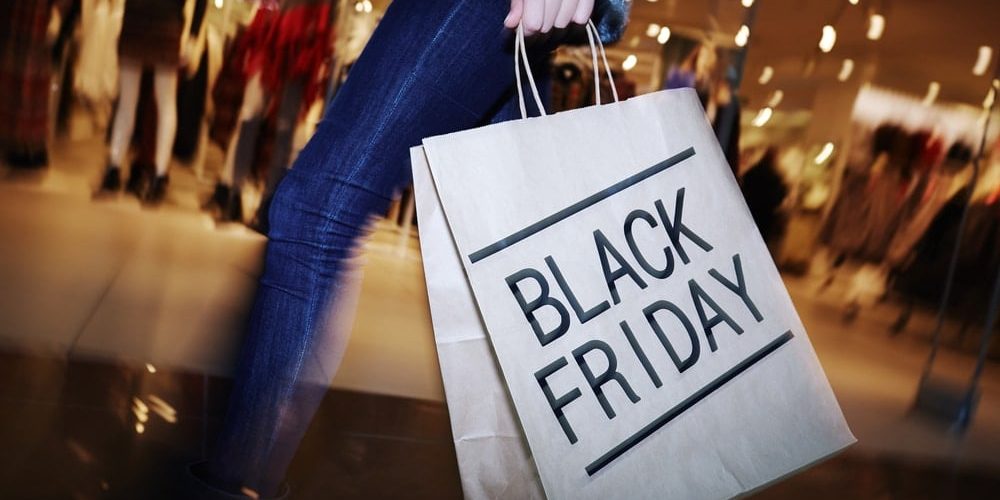
Americans spent a record-shattering amount online this Black Friday, yet experts caution that the headline figures may mask deeper economic unease.
According to data from Adobe Analytics, U.S. shoppers spent $11.8 billion online on Black Friday 2025 — about 9.1% more than last year. That surge came despite persistent inflation, rising prices thanks to tariffs, and subdued wage growth.
The boost in spending was fueled largely by consumers turning to online shopping instead of crowded stores. Many relied on emerging AI-powered shopping tools — a category that saw traffic increase by over 800% compared to last year — which helped them hunt down discounts and compare prices more efficiently.
The strong online numbers follow decent gains on Thanksgiving Day too, signaling that holiday shopping may still offer some breathing room for retailers this year.
Why Analysts See More Than Meets the Eye
On the surface, the spending jump looks like a bright spot for retail. But several analysts warn that the increase may not reflect a true rebound in demand. Much of the jump appears driven by higher average prices, not by people buying more items.
Some segments of the U.S. population — particularly lower- and middle-income families — remain cautious. They continue to weigh essentials carefully amid financial pressures. Meanwhile, wealthier consumers and those still benefiting from higher discretionary income seem to account for a larger share of big-ticket and luxury purchases, underlining a growing divide in who’s spending strongly and who’s holding back.
One industry analyst observed that although online sales rose nearly 10%, underlying volume growth was marginal—suggesting shoppers are being more selective instead of swiping credit cards indiscriminately.
That careful spending is also visible in physical stores. Foot traffic remained flat or even declined slightly, reinforcing the idea that consumers are leaning heavily toward online channels this holiday season.
The Broader Implication: Is This a Boost or a Warning?
Retailers and policymakers might find reason for optimism in the robust sales — but the underlying patterns raise red flags. The surge in online spending shows that demand hasn’t evaporated; consumers are still looking for value and making purchases when needed.
However, inflation-driven price hikes and cautious buying behavior hint that many households are stretching budgets rather than enjoying increased purchasing power. That could limit how long the demand holds up. The apparent strong turnout may reflect economic stress more than newfound confidence.
The upcoming Cyber Monday sale — traditionally the biggest single-day online shopping event of the year — will reveal whether this burst of spending represents sustained resilience or a one-time holiday splurge.









