

KEY POINTS
- A rare combination of stagnant air and sudden precipitation resulted in “toxic rain” containing high concentrations of fuel pollutants across the Iranian capital.
- Local environmental agencies report that extreme levels of nitrogen dioxide and sulfur from vehicle emissions were trapped in the lower atmosphere before being washed down by a storm.
- Health officials have issued urgent warnings for residents to avoid contact with rainwater as the city struggles with a hazardous “smog dome.”
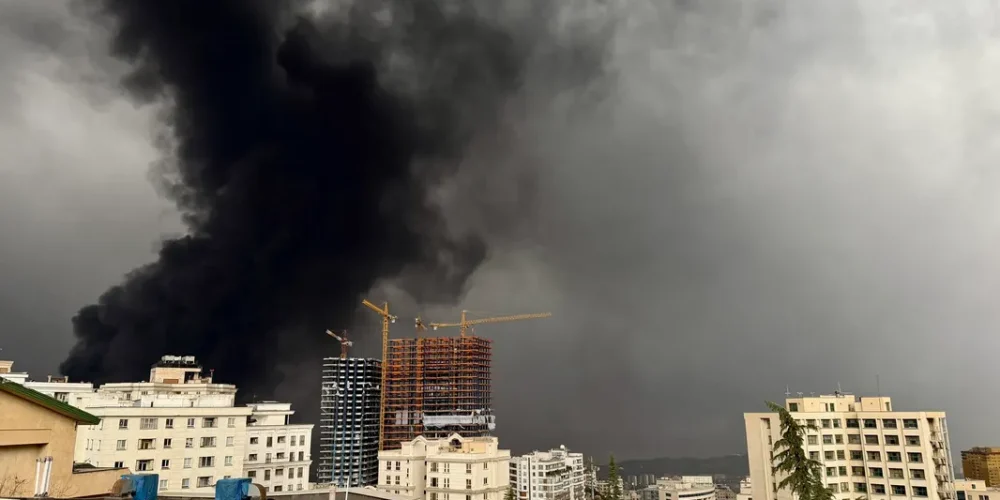
The residents of Tehran are facing a severe environmental emergency following a weather event that many have described as “petrol rain.” Over the last 48 hours, a specific set of atmospheric conditions allowed a dense layer of urban pollutants to mix with a sudden rainfall, resulting in a toxic downpour that coated streets and vehicles in a greasy, chemical-scented residue. This incident has reignited a fierce national debate regarding the city’s aging vehicle fleet, poor fuel quality, and the geographical challenges that make the capital a trap for industrial smog.
The crisis began with a prolonged period of “thermal inversion,” a phenomenon where a layer of warm air sits above cooler air near the ground, preventing pollutants from dispersing. For several days, emissions from Tehran’s millions of cars and heavy industries remained trapped at street level, reaching concentrations far exceeding international safety limits. When a low-pressure weather system finally moved over the Alborz Mountains to trigger rain, the falling droplets absorbed these concentrated chemicals—including unburned hydrocarbons and sulfur—before reaching the ground.
Environmental scientists analyzing the rainwater samples noted that the liquid exhibited properties more similar to industrial runoff than natural precipitation. The high acidity and presence of petroleum-based particulates pose a direct threat to the city’s green spaces and historical architecture. More critically, the “petrol rain” has raised immediate health concerns. Dermatologists have reported an uptick in skin irritation cases among those caught outdoors, while respiratory experts warn that the evaporation of this toxic mix can release harmful secondary gases back into the air.
The municipal government has responded by closing schools and encouraging vulnerable populations, including the elderly and those with pre-existing lung conditions, to remain indoors. Authorities have also implemented emergency traffic restrictions, though critics argue that these measures are insufficient to address the root cause of the problem. Tehran’s basin-like geography, surrounded by high mountains, naturally limits air circulation, making the city particularly susceptible to these types of “chemical weather” events when industrial output remains high.
Economic factors are also complicating the response to this recurring pollution crisis. Due to long-standing international sanctions, the domestic production of high-grade, low-sulfur gasoline has faced significant hurdles. Many vehicles in the capital continue to run on lower-quality fuel that emits higher levels of pollutants. Furthermore, the slow pace of transitioning to electric public transport means that the city remains heavily dependent on internal combustion engines that lack modern emission-control technology.
Beyond the immediate cleanup efforts, the incident serves as a stark warning about the intersection of climate change and urban pollution. As global weather patterns become more unpredictable, the likelihood of “toxic rain” events in highly populated industrial hubs may increase. International environmental organizations are closely monitoring the situation in Tehran, citing it as a case study for the dangers of uncontrolled urban expansion in sensitive geographical zones.
As the weather system clears, the visible residue of the “petrol rain” may wash away, but the underlying systemic issues remain. The Iranian government is facing mounting pressure to invest in sustainable infrastructure and to prioritize the health of its citizens over industrial quotas. Until significant changes are made to fuel standards and urban planning, the people of Tehran remain at the mercy of an atmosphere that has become increasingly hostile to life.









