

KEY POINTS
- Lebanese security sources report the return of Hezbollah’s elite Radwan units to positions in Southern Lebanon to engage Israeli ground forces.
- The redeployment follows weeks of intense aerial bombardment and marks a significant escalation in the direct military confrontation along the Blue Line.
- Military analysts suggest the presence of these battle-hardened fighters indicates a shift toward a high-intensity guerrilla warfare phase in the border regions.
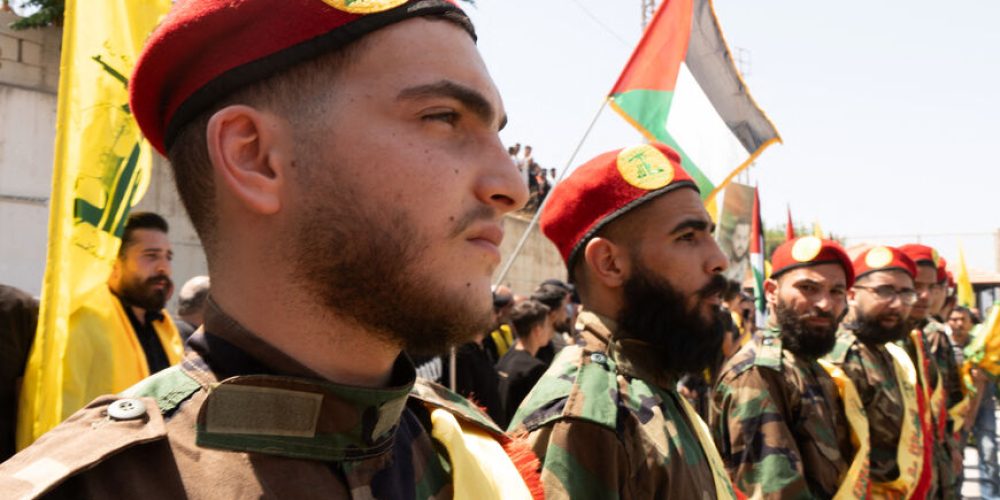
The conflict in the Middle East has entered a more dangerous phase following reports that Hezbollah’s most disciplined fighting units have returned to the frontlines of Southern Lebanon. According to Lebanese officials cited by Reuters, members of the elite Radwan Force—specially trained for cross-border raids and sophisticated mountain warfare—have re-established presence in strategic villages near the Israeli border. This maneuver comes after a period of tactical withdrawal and suggests that the group is now prepared for a sustained defensive campaign against Israeli armored and infantry incursions.
The return of these specialized fighters significantly alters the tactical landscape of the current ground war. Unlike the paramilitary volunteers who typically hold frontline positions, the Radwan units are equipped with advanced anti-tank guided missiles and possess extensive experience from previous regional conflicts. Their primary objective appears to be the disruption of Israeli supply lines and the execution of ambushes within the dense, hilly terrain that characterizes the border zone. Israeli military commanders have reportedly adjusted their operational tempo in response, increasing the frequency of pre-emptive strikes on suspected command bunkers and tunnel entrances.
The humanitarian situation in the region continues to deteriorate as the fighting intensifies. Local residents who remained in border towns like Bint Jbeil and Khiam now find themselves caught between sophisticated military maneuvers. International observers have warned that the presence of high-level combatants in civilian areas increases the risk of collateral damage and complicates potential ceasefire negotiations. Despite several diplomatic attempts by Western and regional intermediaries to establish a “buffer zone,” both sides appear committed to achieving a decisive tactical advantage on the ground.
For the Lebanese state, the re-emergence of Hezbollah’s elite units highlights the fragility of the national government’s authority in the south. While the Lebanese Armed Forces maintain a presence in the region, the operational control of the resistance rests firmly with the non-state actors. This internal dynamic has led to increased pressure on Beirut from the international community to enforce UN Resolution 1701, which calls for the disarming of all non-state groups between the Litani River and the border.
As the spring thaw makes the terrain more accessible for heavy equipment, the likelihood of a larger-scale engagement grows. Military hardware from both sides is being funneled toward the frontier, and the rhetoric from leadership in both Beirut and Jerusalem has become increasingly uncompromising. The outcome of this specific confrontation between elite infantry units will likely determine the “new normal” for the border for months, if not years, to come. For now, the “wait-and-see” period has ended, replaced by the grim reality of a direct and escalating military struggle.









