

KEY POINTS
- Meteorologists have issued an Enhanced Risk (Level 3 of 5) for severe weather as a powerful storm system moves through the Southern Plains.
- Atmospheric conditions are becoming highly favorable for the development of discrete supercells, which are capable of producing strong, long-track tornadoes.
- The primary threat window extends through Friday evening, with Oklahoma City, Tulsa, and North Texas identified as high-priority zones for monitoring.
The 2026 spring storm season has intensified rapidly this week as a potent low-pressure system interacts with surging moisture from the Gulf of Mexico. AccuWeather and the Storm Prediction Center (SPC) have raised the alarm for a significant severe weather outbreak across the heart of “Tornado Alley.” Forecasters are tracking the formation of supercell thunderstorms—highly organized storms characterized by rotating updrafts—which are expected to ignite along a dryline moving through western Oklahoma and north-central Texas.
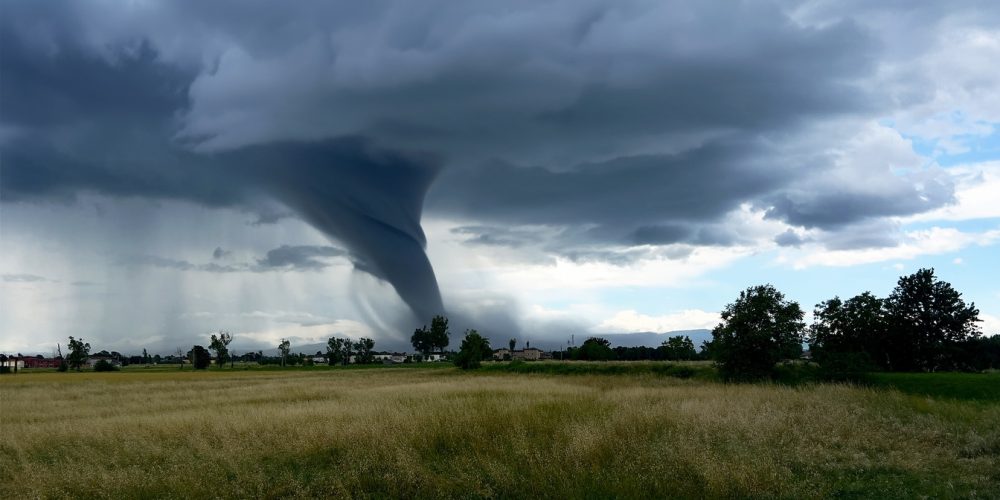
Unlike linear storm fronts that primarily bring wind damage, these discrete supercells pose a much higher risk for significant tornadoes. Radar imagery already shows the initial stages of development, with storm cells gaining strength as they move into an environment with high wind shear and instability. Experts warn that any tornado that develops in this environment has the potential to become “wrapped in rain,” making them extremely difficult to spot visually until they are dangerously close.
Residents in the path of these storms are urged to review their emergency plans immediately. The threat is not limited to tornadoes; these supercells are also expected to produce “gorilla-sized” hail exceeding two inches in diameter and damaging straight-line winds in excess of 70 mph. Emergency management officials in Oklahoma City and Tulsa have activated sirens and are coordinating with local shelters as the first watches are officially issued for the region.
The timing of this outbreak is particularly concerning, as storms are expected to persist into the overnight hours. Nocturnal tornadoes are twice as deadly as those that occur during the day, primarily because people are often asleep and unaware of incoming warnings. Meteorologists are emphasizing the importance of having multiple ways to receive alerts, such as a NOAA weather radio or a smartphone app with loud, intrusive notifications that can wake a sleeping household.
As the cold front eventually overtakes the dryline, the storms are expected to merge into a squall line, shifting the primary threat from tornadoes to widespread destructive winds as the system moves toward Arkansas and Missouri. However, until that transition occurs, the focus remains on the life-threatening potential of the individual rotating cells currently crossing the Red River valley.
This outbreak marks a significant escalation in what has already been a volatile start to the year for the region. With millions of people in the direct path of these storms, the next 24 hours will be critical for public safety. Local news stations and weather agencies are providing continuous live coverage to ensure that every community has the most up-to-date information to protect life and property.









