

KEY POINTS
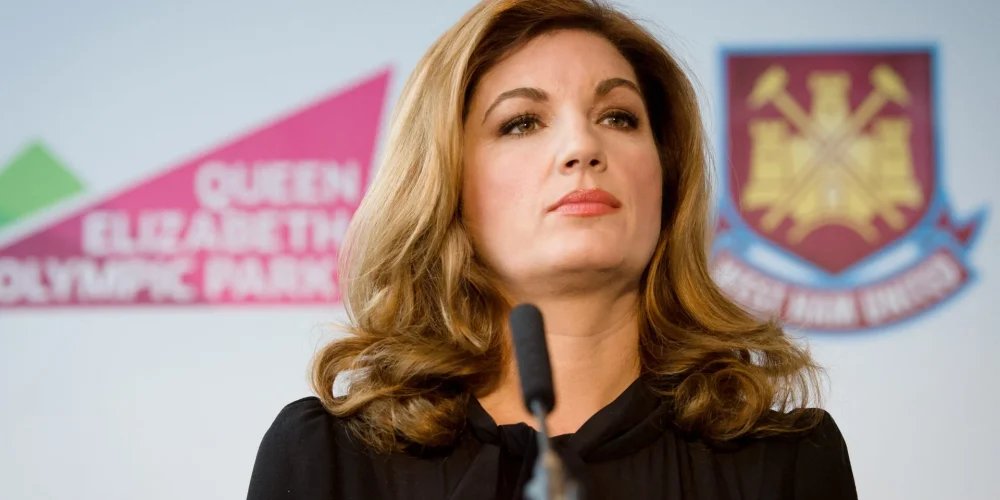
- Karren Brady has officially stepped down as Vice-Chair of West Ham United, concluding a prominent 16-year tenure at the Premier League club.
- Her departure coincides with significant shifts in the club’s leadership structure and ongoing struggles to maintain top-flight status.
- Brady leaves a complex legacy defined by major infrastructure developments and commercial growth, balanced against vocal fan opposition.
The landscape of English football leadership is undergoing a seismic shift this week following the announcement that Baroness Karren Brady has stepped down from her high-profile role as Vice-Chair of West Ham United. After more than a decade and a half of driving the club’s corporate strategy, Brady’s exit marks the end of a transformative era that saw the team relocate to the London Stadium and secure a major European trophy. Her resignation, effective mid-April 2026, leaves the Hammers in a precarious position as they fight to avoid relegation with only a handful of matches remaining in the current Premier League campaign.
What You Need to Know
Karren Brady arrived at West Ham in 2010, handpicked by joint-chairmen David Sullivan and the late David Gold to revitalize the club’s operations. Her arrival followed a long-standing business partnership with Sullivan, which famously began in the early 1990s when she persuaded him to invest in Birmingham City. Over the last 16 years, Brady became one of the most recognizable faces in the game, balancing her executive duties with a high-profile media career and legislative responsibilities in the House of Lords.
The period of her leadership was marked by massive structural changes, most notably the move from the historic Boleyn Ground to the former Olympic venue in Stratford. While proponents cited this as a vital step in modernizing the club and expanding its global commercial reach, it remained a constant source of friction with large segments of the fanbase. For many, the transition felt like a loss of identity, a sentiment that colored the perception of Brady’s administrative successes throughout her tenure.
The Transformation and Turmoil at the London Stadium
Beyond the stadium relocation, Brady’s tenure was characterized by aggressive commercial expansion. She was a central figure in negotiating the club’s long-term tenancy at the London Stadium, a facility with a capacity exceeding 62,000, which helped propel West Ham into the upper echelons of global revenue rankings. On the pitch, these years saw the club maintain a consistent presence in the Premier League, culminating in the 2023 UEFA Europa Conference League victory—a historic achievement that remains the crown jewel of her time in East London.
However, the professional relationship between the boardroom and the terraces was often strained. The “No More BS” protest campaigns, organized by disillusioned supporters, became a recurring feature during difficult stretches of the season. Fans consistently raised concerns about ticket pricing, the overall matchday atmosphere, and the perceived disconnect between the executive leadership and the club’s traditional roots. These tensions were compounded by high-profile staff departures and the financial pressure of maintaining a squad capable of competing at the highest level.
The timing of Brady’s exit is particularly sensitive as West Ham currently sits in 17th place, desperately fending off relegation. Alongside her departure, the club has seen other executive exits, including the Chief Finance Officer and an executive director. Meanwhile, major shareholder Daniel Kretinsky is expected to take a more hands-on role in shaping the board’s future. With the club facing a potential summer of upheaval and the need to overhaul its leadership, the coming weeks will determine whether this transition provides a fresh start or further instability for the squad and its supporters.
What This Means for Americans
The departure of a key executive at a major London club is a development that resonates far beyond the borders of East London, particularly for the growing cohort of American stakeholders in international sport. As Premier League clubs increasingly look toward US-based venture capital and private equity for investment, the saga at West Ham serves as a masterclass in the difficulties of balancing commercial modernization with legacy fan engagement. American investors often prioritize “brand expansion” and facility monetization, strategies Brady utilized extensively.
For the American observer, the West Ham situation highlights the potential hazards of aggressive corporate management in a culture where club ownership is seen as a social contract rather than merely a commercial asset. As more US firms acquire teams across Europe, the lessons from the London Stadium transition—where physical infrastructure improvements were perceived as undermining the emotional fabric of the fan base—offer a cautionary tale. Managing the expectations of a global audience while maintaining the loyalty of the local core remains the most difficult challenge in modern sports management.
NCN Analysis
The exit of such a long-standing figure, combined with the shifting influence of Daniel Kretinsky, suggests that West Ham is entering a period of significant strategic recalibration. With the club sitting just outside the relegation zone, the immediate priority is survival; however, the long-term question is how the club will define its identity once the current leadership model is fully dismantled. The board will likely prioritize a “reset” to appease fan sentiment, which could mean a shift toward more transparent communication and a more traditional governance structure.
Looking forward, industry analysts should monitor how the club navigates the upcoming transfer window. With rumors of financial pressure and the need to balance the books, the new board may be forced to make difficult personnel decisions. Whether this transition leads to a reinvigorated, fan-first approach or further internal uncertainty remains to be seen. One thing is certain: the era of the “all-powerful” Vice-Chair is over, and the new board will be under intense pressure to deliver results both on the pitch and in the boardroom.
The conclusion of Karren Brady’s tenure marks the definitive end of an era, leaving West Ham United at a critical crossroads between its ambitious commercial aspirations and the fundamental need for stability.
Reported by the NCN Editorial Team









