

KEY POINTS
- Millions of citizens are casting ballots in a landmark general election across Nepal.
- Political outsiders and youth-led movements challenge the dominance of established parties.
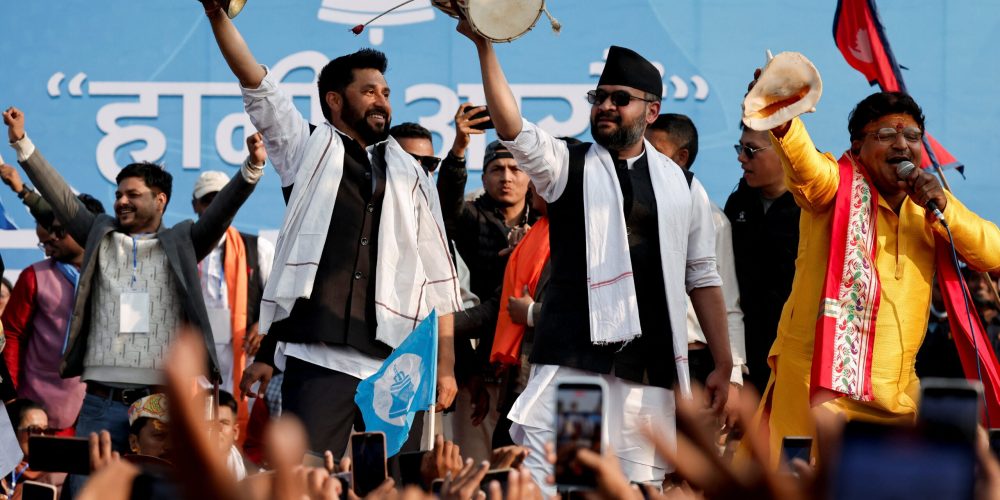
- Massive demonstrations preceding the vote have reshaped the national political conversation.
Nepal opened its polling stations early Thursday morning for a high-stakes general election. Citizens lined up across the country to select their representatives for the federal parliament and provincial assemblies. This election follows months of intense political instability and widespread public dissatisfaction. Voters are deciding whether to stick with traditional power brokers or embrace a new generation of leaders.
The lead-up to this vote saw unprecedented youth-led protests in major urban centers like Kathmandu. Young activists demanded more transparency and better economic opportunities from the central government. These movements have significantly influenced the campaign platforms of both old and new political parties. Many observers believe this demographic will play a decisive role in the final tally.
Established political figures face a credible threat from a wave of independent candidates. These newcomers have utilized social media to bypass traditional media channels and reach frustrated voters. Their platforms focus on ending corruption and modernizing the nation’s infrastructure. The traditional parties have responded by promising their own set of internal reforms to retain their voter base.
Security remains a primary concern for the Election Commission as the voting process continues. Thousands of police and military personnel are patrolling sensitive areas to prevent any outbreaks of violence. Most regions report a peaceful start to the day with high voter turnout in rural districts. Authorities are using digital tracking to monitor the transport of ballot boxes to secure counting centers.
Economic issues dominate the concerns of most people waiting in the long lines. Nepal continues to struggle with high inflation and a significant brain drain of its young workforce. Many voters expressed hope that a new government could stabilize the economy and create local jobs. They view this election as a critical turning point for the future of the Himalayan republic.
International observers are monitoring the proceedings to ensure a fair and transparent outcome. Representatives from several democratic nations have deployed teams to various provinces to watch the voting. Their presence aims to boost public confidence in the legitimacy of the democratic process. The final results are expected to take several days to finalize given the rugged geography of the country.
The outcome of this election will determine the direction of Nepal’s foreign policy for years. The nation occupies a strategic position between India and China, two major regional powers. A change in leadership could lead to shifts in trade agreements and infrastructure projects with these neighbors. Both world powers are watching the democratic exercise with keen interest.
Political analysts suggest that a coalition government is the most likely result of the vote. No single party appears to have a clear path to an absolute majority at this stage. This scenario would require extensive negotiations between the various factions to form a stable administration. For now, the people of Nepal are making their voices heard through the ballot box.









